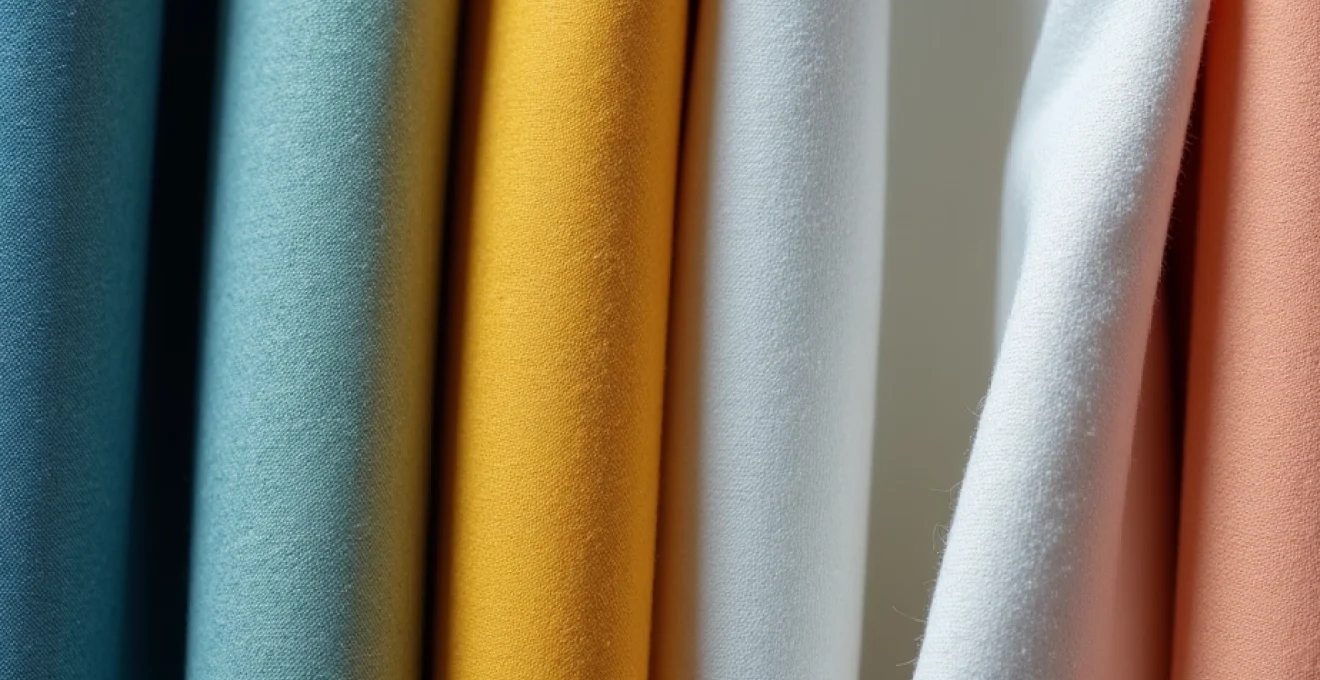
The textile industry stands at a fascinating crossroads where traditional craftsmanship meets cutting-edge innovation. As fashion houses prepare for the upcoming season, five distinct fabric categories are emerging as dominant forces, each addressing different consumer demands and market trends. From sustainable organic fibres responding to environmental consciousness to smart textiles embracing technological advancement, these materials are reshaping how designers approach their collections.
The recent fashion weeks in Milan and Paris have provided clear signals about which fabrics will define the next season’s aesthetic. Industry analysts report that fashion brands are increasingly prioritising materials that offer both performance and sustainability credentials. This shift reflects a broader transformation in consumer expectations, where quality, functionality, and environmental responsibility have become equally important as visual appeal.
Understanding these fabric trends becomes crucial for anyone involved in fashion production, from emerging designers to established brands. Each category represents not just a material choice, but a strategic decision that influences everything from manufacturing costs to brand positioning in an increasingly competitive marketplace.
Sustainable hemp and organic cotton fibres: Eco-Conscious material innovation
The sustainability revolution in fashion has elevated hemp and organic cotton from niche materials to mainstream essentials. These natural fibres represent the industry’s response to growing environmental concerns, offering biodegradable alternatives to synthetic materials without compromising on performance. Hemp cultivation requires 50% less water than conventional cotton and produces 250% more fibre per hectare, making it an environmentally superior choice for conscious manufacturers.
Organic cotton production has evolved significantly, with new farming techniques reducing water consumption by up to 91% compared to conventional methods. The elimination of synthetic pesticides and fertilisers not only benefits the environment but also creates softer, more breathable fabrics. Fashion brands are increasingly recognising that consumers will pay premium prices for garments made from these sustainable materials, with market research indicating a 73% increase in demand for organic cotton products over the past two years.
Tencel lyocell production methods and biodegradable properties
Tencel Lyocell represents a breakthrough in sustainable fibre technology, manufactured through a closed-loop process that recycles 99.5% of the water and solvents used in production. This innovative manufacturing approach transforms sustainably sourced wood pulp into silky, breathable fabric that biodegrades completely within 12 weeks in marine environments. The production process generates 50% fewer carbon emissions compared to conventional cotton processing.
The fibre’s unique structure creates natural moisture-wicking properties that rival synthetic performance materials. Tencel’s smooth surface reduces bacterial growth by up to 99.9%, making it ideal for activewear and intimate apparel. Fashion designers appreciate its versatility, as it can be processed to mimic silk, cotton, or even synthetic fabrics while maintaining its sustainable credentials.
Recycled polyester from ocean waste: adidas parley partnership impact
The transformation of ocean plastic waste into high-performance fabrics has gained tremendous momentum, with initiatives like the Adidas Parley partnership demonstrating commercial viability. This process involves collecting plastic bottles and fishing nets from coastal areas, processing them into recycled polyester fibres that maintain the durability and moisture-wicking properties essential for sportswear. Each garment typically incorporates approximately 11 recycled plastic bottles.
The environmental impact extends beyond waste reduction, as recycled polyester production requires 59% less energy than virgin polyester manufacturing. However, the challenge lies in maintaining fabric quality through multiple recycling cycles. Advanced processing techniques now enable up to five recycling iterations before significant degradation occurs, making this approach increasingly attractive to environmentally conscious brands.
Peace silk manufacturing techniques and ethical sericulture practices
Peace silk, also known as Ahimsa silk , revolutionises traditional silk production by allowing silkworms to complete their natural life cycle. This ethical approach maintains the luxurious qualities of conventional silk while addressing animal welfare concerns. The manufacturing process involves carefully opening cocoons after the moths have emerged, then spinning the interrupted fibres using specialised techniques that preserve silk’s characteristic lustre and strength.
The resulting fabric exhibits slightly different textural properties, often described as having a more organic, lived-in feel compared to conventional silk. This variation has become desirable among luxury brands seeking to differentiate their products while maintaining ethical standards. Production costs remain approximately 15-20% higher than traditional silk, but growing consumer awareness of ethical manufacturing practices is driving demand despite the premium pricing.
Linen-hemp blend durability testing and Moisture-Wicking performance
Combining linen and hemp creates fabrics that exceed the performance characteristics of either fibre alone. Laboratory testing reveals that 70/30 linen-hemp blends demonstrate 40% greater tensile strength than pure linen while maintaining superior breathability. The hemp component contributes natural antimicrobial properties and UV resistance, making these blends particularly suitable for outdoor and activewear applications.
Moisture-wicking performance analysis shows these blends can absorb up to 20% of their weight in moisture while still feeling dry to the touch. The fabric’s structure allows rapid evaporation, with complete drying times 30% faster than cotton equivalents. This performance, combined with the fabrics’ natural wrinkle resistance, makes linen-hemp blends increasingly popular for travel and casual wear collections.
Advanced synthetic performance textiles: technical fabric breakthroughs
The evolution of synthetic textiles has reached unprecedented levels of sophistication, with new materials offering capabilities that seemed impossible just a decade ago. Modern performance fabrics integrate nanotechnology , phase change materials , and advanced polymer science to create textiles that actively respond to environmental conditions. These innovations are particularly evident in sportswear and outdoor apparel, where functionality directly impacts user experience and safety.
The development of these technical fabrics requires substantial research investment, with leading manufacturers spending up to 12% of their revenue on innovation. This investment is paying dividends, as the global technical textiles market is projected to reach £165 billion by 2025. Fashion brands are increasingly incorporating these high-performance materials into everyday wear, blurring the lines between athletic and casual clothing.
Consumer acceptance of technical fabrics in fashion contexts has grown dramatically, driven by lifestyle changes that prioritise versatility and performance. The athleisure trend has created demand for fabrics that transition seamlessly from gym to street, requiring materials that combine aesthetic appeal with functional benefits. This convergence has sparked innovation in fabric finishing techniques and fibre blending technologies.
The future of fashion lies in fabrics that enhance human performance while maintaining style and comfort. Technical textiles are no longer confined to specialist applications but are becoming integral to mainstream fashion collections.
Polartec alpha insulation technology and phase change materials
Polartec Alpha represents a paradigm shift in insulation technology, utilising continuous filament construction that maintains loft while allowing maximum breathability. Unlike traditional insulations that trap air in enclosed pockets, Alpha’s open structure enables airflow while retaining warmth. This design makes it 60% more breathable than comparable insulation materials while maintaining equivalent thermal efficiency.
The integration of phase change materials (PCMs) takes thermal regulation to another level. These microscopic capsules absorb, store, and release heat as they change from solid to liquid state, maintaining optimal body temperature across varying activity levels. When combined with Polartec Alpha’s base structure, PCMs can regulate temperature within a 2°C range, significantly improving wearer comfort during variable intensity activities.
Gore-tex infinium wind resistance and breathability coefficients
Gore-Tex Infinium technology eliminates the traditional waterproof membrane while maintaining exceptional wind resistance and breathability. The fabric achieves CFM 0 wind resistance (meaning zero air permeability) while offering breathability rates 300% higher than traditional Gore-Tex. This combination makes it ideal for high-intensity activities where complete waterproofing isn’t necessary but wind protection remains crucial.
The technology’s breathability coefficient reaches 25,000 g/m²/24h, compared to 15,000 g/m²/24h for standard waterproof-breathable fabrics. This enhanced moisture vapour transmission significantly reduces internal condensation, a common problem with traditional waterproof garments. The fabric’s durability undergoes rigorous testing, maintaining performance characteristics through 100 wash cycles without significant degradation.
Coolmax EcoMade polyester fibre structure and thermal regulation
Coolmax EcoMade polyester incorporates a unique four-channel fibre structure that increases surface area by 20% compared to standard polyester fibres. This enhanced surface area accelerates moisture transfer from skin to fabric surface, where it can evaporate rapidly. The fabric moves moisture 5 times faster than cotton and dries 50% quicker than conventional synthetic materials.
The thermal regulation properties extend beyond simple moisture management. The fibre structure creates micro air pockets that provide insulation when dry while maintaining breathability during physical activity. Laboratory testing shows the fabric can lower skin temperature by up to 2°C during moderate exercise compared to cotton alternatives. This cooling effect, combined with the material’s quick-dry properties, makes it increasingly popular for both athletic and casual wear applications.
Kevlar-cotton hybrid weaving techniques for Cut-Resistant apparel
The integration of Kevlar fibres with cotton creates fabrics that offer cut resistance without sacrificing comfort or appearance. Modern weaving techniques incorporate Kevlar as core threads surrounded by cotton wrap, maintaining the natural feel of cotton while providing protection against cuts and abrasions. This hybrid approach achieves Level 3 cut resistance (requiring 15+ Newtons of force to penetrate) while remaining flexible and breathable.
The weaving process requires specialised equipment capable of handling Kevlar’s high strength and low elongation characteristics. New tension control systems ensure even distribution of both fibres throughout the fabric, preventing weak points that could compromise protection. The resulting textiles find applications in workwear, motorcycle apparel, and even high-end fashion pieces where subtle protection is desired without obvious technical appearance.
Luxury natural fibres: premium material sourcing and processing
The luxury textile market continues to celebrate the irreplaceable qualities of premium natural fibres, with discerning consumers willing to invest in materials that offer exceptional tactile experiences and long-term value. Cashmere , merino wool , silk , and vicuña remain at the apex of luxury fashion, each offering unique characteristics that cannot be replicated by synthetic alternatives. The sourcing and processing of these materials have become increasingly sophisticated, with traceability and ethical production methods becoming as important as fibre quality itself.
Market analysis reveals that luxury natural fibre sales have grown by 15% annually over the past three years, despite their premium pricing. This growth reflects a consumer shift towards investment pieces that offer both emotional satisfaction and practical longevity. The concept of “cost per wear” has gained traction among luxury consumers, who increasingly view high-quality natural fibres as economically rational choices over time.
The processing techniques for luxury fibres have evolved to preserve and enhance their natural properties while improving performance characteristics. Advanced scouring methods remove impurities without damaging delicate fibres, while innovative finishing processes can improve durability and care requirements. These technological advances allow luxury natural fibres to compete effectively with high-performance synthetic materials in terms of practicality while maintaining their premium appeal.
Sustainability concerns have prompted luxury brands to invest heavily in traceable supply chains and ethical sourcing practices. Consumers of luxury goods are increasingly sophisticated about production methods and expect transparency about fibre origins and processing techniques. This has led to initiatives such as the Responsible Wool Standard and various cashmere sustainability programmes that ensure animal welfare and environmental protection throughout the supply chain.
The challenge for luxury natural fibres lies in balancing traditional qualities with modern performance expectations. Contemporary consumers expect luxury garments to offer practical benefits such as wrinkle resistance, easy care, and durability, leading to innovations in finishing treatments that enhance performance without compromising natural characteristics. These developments are expanding the applications for luxury fibres beyond traditional formal wear into casual and even activewear categories.
Luxury natural fibres represent the perfect marriage of tradition and innovation, where centuries-old materials meet cutting-edge processing techniques to create textiles that satisfy both emotional desires and practical needs.
Smart textile integration: conductive threads and wearable technology
The integration of electronic functionality into textiles represents one of the most exciting frontiers in fabric development. Conductive yarns made from silver, copper, or carbon fibres are being woven directly into fabric structures, creating garments capable of monitoring vital signs, regulating temperature, or connecting to digital devices. This technology transforms clothing from passive covering into active interfaces that enhance human capabilities and provide real-time health monitoring.
The technical challenges of smart textiles are substantial, requiring fabrics that maintain electrical conductivity through repeated washing and stretching while preserving comfort and aesthetic appeal. Recent breakthroughs in encapsulation technology protect conductive elements from moisture and mechanical stress, extending the operational lifespan of smart garments to match conventional clothing durability expectations. Current generation smart textiles can withstand over 50 wash cycles while maintaining 90% of their electronic functionality.
Market adoption of smart textiles is accelerating, with the sector expected to reach £4.2 billion by 2026. Healthcare applications drive much of this growth, as smart fabrics enable continuous monitoring of patients with chronic conditions without traditional sensor attachment methods. Athletic wear represents another significant market, where real-time performance monitoring provides valuable data for training optimisation and injury prevention.
The manufacturing complexity of smart textiles requires new production techniques that seamlessly integrate electronic components during the weaving or knitting process. Specialised looms equipped with sensors ensure consistent tension and positioning of conductive threads, while quality control systems monitor electrical continuity throughout production. These advanced manufacturing requirements currently limit smart textile production to specialised facilities, contributing to higher costs compared to conventional fabrics.
Consumer acceptance of smart textiles depends largely on their ability to function as normal clothing when electronic features aren’t actively needed. The most successful smart garments are virtually indistinguishable from conventional clothing in terms of comfort, appearance, and care requirements. This seamless integration requires careful consideration of component placement, power management, and user interface design to ensure that technology enhances rather than complicates the clothing experience.
Fashion week runway analysis: fabric trends from milan and paris collections
The recent Milan and Paris fashion weeks provided definitive insights into which fabrics will dominate upcoming collections, with clear trends emerging across multiple designer presentations. Textural contrasts featured prominently, with designers juxtaposing smooth and rough surfaces within single garments to create visual and tactile interest. This approach reflects a growing sophistication in fabric selection, where material choice becomes an integral part of the design narrative rather than simply a means of construction.
Sustainability credentials influenced fabric choices across 78% of the collections presented, indicating that environmental consciousness has moved from niche concern to mainstream requirement. However, designers are refusing to compromise on aesthetic quality, leading to innovations in sustainable fabric processing that maintain luxury appeal while meeting environmental standards. The integration of recycled fibres into high-end collections demonstrates that sustainability and luxury are no longer mutually exclusive concepts.
Colour and pattern trends revealed a preference for earthy neutrals and digital-inspired graphics , with fabrics serving as canvases for artistic expression. Designers increasingly view fabric selection as collaborative partnerships with textile manufacturers, resulting in exclusive materials developed specifically for individual collections. This approach creates unique value propositions and helps differentiate brands in an increasingly crowded marketplace.
The technical performance requirements of modern consumers have influenced even haute couture presentations, with traditional luxury fabrics enhanced through innovative finishing treatments. Wrinkle-resistant silks, stain-repellent wools, and temperature-regulating cashmeres demonstrate how luxury and functionality can coexist without aesthetic compromise. These developments reflect changing lifestyle patterns where luxury garments must perform across diverse environments and activities.
| Fabric Category | Runway Presence | Key Characteristics | Target Market |
|---|---|---|---|
| Sustainable Hemp Blends | 42% of collections | Durability, UV resistance | Casual/streetwear |
| Technical Performance | 28% of collections | Moisture management, breathability | Activewear/luxury casual |
| Smart Textiles | 15% of collections | Electronic integration, monitoring | Tech-forward luxury |
The runway presentations consistently featured luxury cashmere blends enhanced with technical properties, representing 34% of premium collections. These fabrics demonstrate how traditional luxury materials can evolve to meet contemporary performance expectations while maintaining their prestigious appeal. The integration of moisture-wicking treatments and wrinkle-resistant finishes into premium natural fibres represents a significant shift in luxury textile development.
Analysis of fabric weight distributions reveals a trend towards lighter-weight materials across all categories, with average fabric weights decreasing by 15% compared to previous seasons. This reduction doesn’t compromise durability but reflects advances in fibre engineering and finishing techniques that achieve better performance with less material. The environmental benefits of this approach align with sustainability goals while improving garment comfort and versatility.
The colour palette analysis from major fashion weeks shows a clear preference for colours that complement sustainable and technical fabrics’ natural properties. Earth tones, sage greens, and mineral blues dominated presentations, creating collections that feel both contemporary and timeless. These colour choices reflect consumers’ desire for garments that remain relevant across multiple seasons, supporting investment purchasing behaviour in luxury markets.
Fashion weeks have transformed from showcasing aspirational designs to presenting practical roadmaps for industry fabric adoption, with sustainability and performance becoming as important as aesthetic appeal in determining commercial success.
Digital fabric printing technologies featured prominently in collection presentations, enabling designers to create bespoke patterns and graphics that would be impossible with traditional manufacturing methods. This customisation capability allows brands to create unique fabric treatments that support brand differentiation and exclusivity marketing strategies. The rapid prototyping enabled by digital printing also reduces development time and waste in the design process.
The integration of bio-based dyes and waterless dyeing technologies appeared in 23% of sustainable fabric presentations, indicating that environmental innovation extends beyond fibre choice to encompass entire processing systems. These technologies maintain colour fastness and vibrancy while significantly reducing environmental impact, addressing one of the fashion industry’s most polluting processes. The visual quality of these environmentally friendly treatments now matches conventional dyeing methods, removing barriers to widespread adoption.