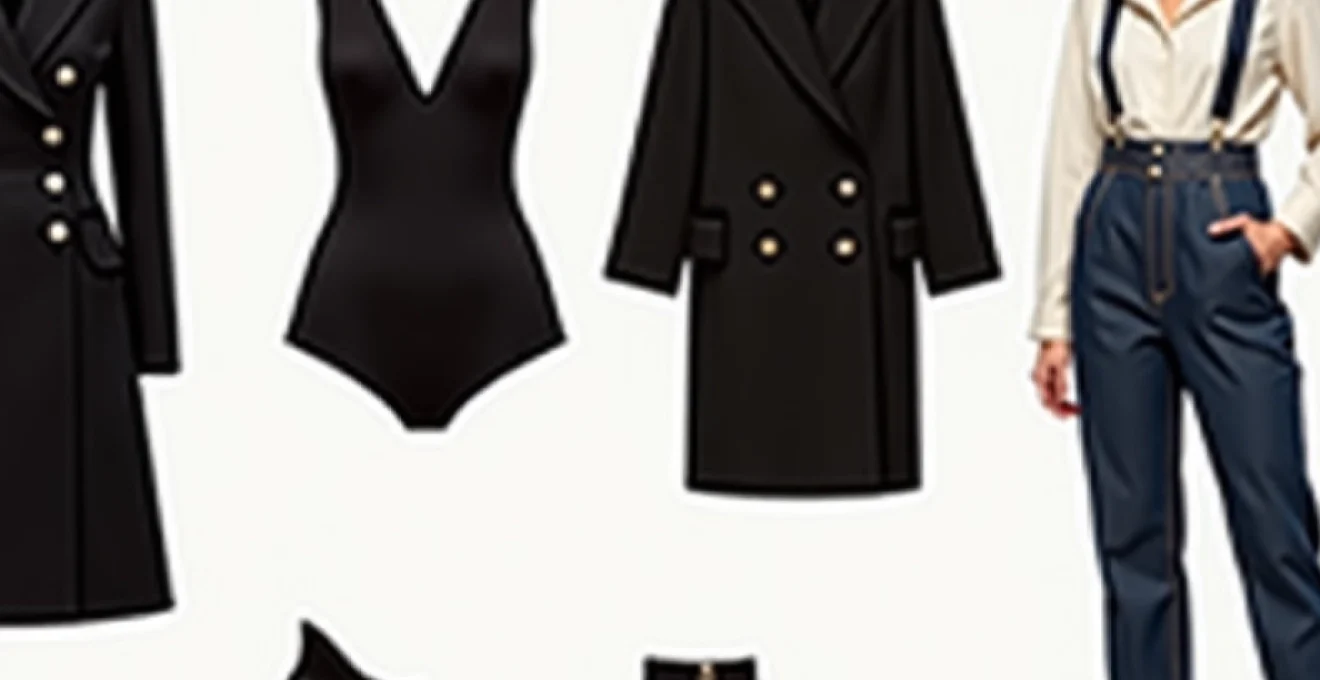
Building a sophisticated wardrobe requires strategic thinking beyond fleeting trends and seasonal must-haves. The foundation of exceptional personal style rests on carefully selected pieces that transcend time, offering versatility and elegance year after year. These investment garments form the backbone of a capsule wardrobe, enabling endless outfit combinations whilst maintaining a consistently polished appearance. Understanding the difference between timeless classics and temporary fashion moments empowers you to make informed purchasing decisions that deliver lasting value.
Quality craftsmanship, superior materials, and classic silhouettes distinguish true wardrobe essentials from disposable fashion. These pieces adapt seamlessly to changing occasions, seasons, and personal evolution, making them invaluable additions to any discerning woman’s collection. The modern approach to timeless dressing emphasises functionality without sacrificing sophistication, creating a wardrobe that works as hard as you do.
Essential wardrobe foundation: investment pieces vs. Trend-Driven items
The distinction between investment pieces and trend-driven items fundamentally shapes wardrobe longevity and personal style development. Investment pieces demonstrate superior construction, premium materials, and classic designs that remain relevant across decades. These garments typically command higher initial prices but deliver exceptional value through extended wearability and timeless appeal.
Trend-driven items, whilst offering immediate fashion gratification, often become obsolete within seasons. The fast fashion cycle encourages frequent replacement, creating a costly pattern of continuous purchasing. Smart wardrobe building prioritises foundational pieces that serve multiple styling purposes, reducing overall clothing expenditure whilst elevating your entire wardrobe aesthetic.
Cost-per-wear analysis for premium garments
Calculating cost-per-wear reveals the true value proposition of quality garments. A £500 blazer worn twice monthly for two years costs approximately £10 per wear, making it more economical than multiple cheaper alternatives. This mathematical approach demonstrates how premium pieces justify their initial investment through repeated use and enduring style relevance.
Premium garments maintain their appearance longer, requiring fewer replacements and offering consistent styling options. The cost-per-wear formula becomes particularly compelling for versatile pieces that transition seamlessly between professional, casual, and evening occasions. Quality construction ensures these pieces retain their shape, colour, and structural integrity throughout extensive wear.
Fabric quality assessment: natural fibres vs. synthetic blends
Natural fibres including wool, silk, cotton, and linen offer superior breathability, durability, and aging characteristics compared to purely synthetic alternatives. These materials develop character over time, becoming softer and more comfortable whilst maintaining structural integrity. High-quality natural fibres resist pilling, fading, and shape distortion that commonly affect synthetic garments.
Strategic synthetic blends can enhance garment performance when properly integrated. Modern fabric technology creates performance blends that combine natural fibre benefits with synthetic durability and care convenience. Understanding fabric composition helps you select pieces that align with your lifestyle requirements and maintenance preferences.
Construction techniques: french seams and reinforced stress points
Superior construction techniques distinguish investment pieces from mass-market alternatives. French seams encase raw edges completely, preventing fraying and extending garment lifespan significantly. This meticulous finishing technique indicates attention to detail and quality craftsmanship that justifies premium pricing.
Reinforced stress points at shoulders, armholes, and pocket attachments demonstrate thoughtful construction planning. Quality garments feature bar tacking and reinforcement stitching at points experiencing regular tension, preventing premature wear and tear that compromises garment integrity.
Colour theory application: neutral palette coordination
Neutral colour palettes maximise wardrobe versatility whilst creating sophisticated visual harmony. Classic neutrals including black, navy, cream, camel, and grey coordinate effortlessly, enabling multiple outfit combinations from fewer pieces. This strategic colour selection reduces decision fatigue whilst maintaining consistently polished appearances.
Understanding undertones within neutral colours prevents clashing and creates cohesive wardrobes. Warm undertones complement each other, as do cool undertones, but mixing these categories can create visual discord. Colour temperature consistency throughout your wardrobe ensures every piece coordinates harmoniously with others.
Seasonal versatility metrics in capsule wardrobe planning
Effective capsule wardrobes feature pieces that transition seamlessly between seasons through layering and styling adaptations. Measuring seasonal versatility involves assessing how many months annually each garment remains wearable and stylistically relevant. High-versatility pieces justify their wardrobe space by serving multiple seasonal requirements.
Layering capability significantly increases garment versatility scores. A sleeveless dress worn alone in summer becomes a layering piece under blazers, cardigans, or lightweight sweaters during cooler months. This transitional flexibility maximises wardrobe efficiency whilst reducing overall clothing requirements.
The little black dress: silhouette evolution and modern interpretations
The little black dress represents fashion’s most enduring and versatile garment, adapting continuously to contemporary silhouettes whilst maintaining its essential sophistication. This wardrobe cornerstone transitions effortlessly from boardroom presentations to evening celebrations, demonstrating unparalleled styling flexibility through accessories and layering options.
Modern interpretations embrace diverse body types and lifestyle requirements, offering variations in length, neckline, and fit whilst preserving the dress’s fundamental elegance. The contemporary approach to the little black dress prioritises comfort alongside style, incorporating stretch fabrics and thoughtful construction details that accommodate active lifestyles.
Coco chanel’s 1926 vogue design legacy
Coco Chanel’s revolutionary 1926 Vogue design established the little black dress as fashion’s equivalent to the Model T Ford—universally appropriate and timelessly elegant. This groundbreaking moment transformed black from mourning attire to sophisticated daywear, challenging conventional colour associations and democratising elegant dressing.
Chanel’s original design emphasised simplicity, quality, and versatility over ornate embellishment, principles that continue guiding contemporary little black dress selections. The Chanel aesthetic prioritised clean lines, quality construction, and adaptable styling, creating a template that remains relevant nearly a century later.
A-line vs. sheath vs. wrap dress configurations
A-line silhouettes universally flatter diverse body types by creating a balanced proportion that skims the body without clinging. This configuration works particularly well for professional environments, offering sophisticated coverage whilst maintaining feminine appeal. The A-line’s gentle flare accommodates movement comfortably whilst preserving a polished appearance throughout busy days.
Sheath dresses create sleek, streamlined silhouettes that emphasise natural body lines. This configuration requires precise fit to achieve its intended elegance, making professional tailoring essential for optimal results. Wrap dresses offer adjustable fit through their tie closure system, accommodating body fluctuations whilst creating flattering waist definition through the wrap configuration .
Neckline variations: bateau, V-Neck, and jewel cuts
Bateau necklines create elegant horizontal lines that broaden narrow shoulders whilst offering sophisticated coverage for professional environments. This classic cut works particularly well with statement earrings or delicate necklaces, providing a refined foundation for various jewellery styling options.
V-necklines elongate the neck and create flattering vertical lines that suit most body types. The depth of the V determines the dress’s versatility—subtle V-necks work for conservative environments whilst deeper cuts suit evening occasions. Jewel necklines offer timeless sophistication through their rounded simplicity , creating clean lines that showcase facial features beautifully.
Fabric selection: wool crepe, ponte knit, and silk jersey
Wool crepe provides structure and drape whilst offering year-round wearability through its temperature-regulating properties. This fabric choice creates professional-appropriate silhouettes that maintain their shape throughout wearing whilst providing comfortable movement flexibility. Wool crepe’s matte finish offers sophisticated elegance suitable for both daytime and evening occasions.
Ponte knit combines the comfort of knitwear with the structure of woven fabrics, creating dresses that feel like sophisticated loungewear whilst appearing thoroughly professional. Silk jersey offers luxurious drape and natural temperature regulation, creating fluid silhouettes that move beautifully whilst maintaining their shape. These performance fabrics demonstrate how modern technology enhances classic designs.
Tailored blazer architecture: cut, proportion, and fit standards
The tailored blazer serves as the ultimate wardrobe transformer, instantly elevating casual pieces whilst adding structure to feminine silhouettes. Proper blazer architecture involves precise attention to proportion, construction details, and fit standards that create flattering lines regardless of body type. Understanding these technical elements enables informed selection and ensures your blazer investment delivers maximum styling versatility.
Contemporary blazer design balances traditional tailoring principles with modern lifestyle requirements, incorporating stretch fabrics and updated silhouettes whilst maintaining the garment’s inherent sophistication. The modern approach prioritises comfort without sacrificing the crisp, professional appearance that makes blazers indispensable wardrobe staples.
Single-breasted vs. Double-Breasted construction methods
Single-breasted construction offers versatility and ease of wear, making it the preferred choice for wardrobe foundations. This configuration works equally well open or closed, providing styling flexibility for various occasions and body types. The single-breasted design creates clean, uncluttered lines that coordinate effortlessly with diverse wardrobe pieces.
Double-breasted construction provides more formal structure and creates strong, authoritative silhouettes particularly effective in professional environments. This traditional design requires careful proportion consideration, as the overlapping front panels can overwhelm smaller frames. Double-breasted blazers work best when tailored precisely to individual body measurements, ensuring the distinctive button configuration enhances rather than detracts from the wearer’s proportions.
Lapel styles: notched, peak, and shawl collar analysis
Notched lapels represent the most versatile and widely worn style, offering balanced proportions that suit both professional and casual styling. This classic configuration creates clean lines that don’t compete with accessories or styling elements, making it ideal for wardrobe foundation pieces that require maximum adaptability.
Peak lapels create dramatic, formal silhouettes that project authority and sophistication. This style works particularly well for evening occasions or professional environments requiring commanding presence. Shawl collars offer soft, rounded lines that create approachable elegance, perfect for blazers intended primarily for casual or creative professional environments. The lapel selection significantly influences the blazer’s overall character and appropriate styling contexts.
Shoulder line engineering: natural vs. structured silhouettes
Natural shoulder lines follow the body’s actual shoulder slope, creating relaxed, contemporary silhouettes that feel comfortable whilst maintaining professional appearance. This approach works well for everyday wear and accommodates various body types without requiring extensive alterations.
Structured shoulders incorporate padding and construction elements that create defined lines and project confidence in professional settings. The degree of structure should complement your natural proportions—minimal structure for broader shoulders, moderate structure for balanced frames. Shoulder engineering fundamentally affects how the blazer hangs and moves, making this detail crucial for achieving flattering fit.
Button stance mathematics: Two-Button vs. Three-Button proportions
Two-button configurations create longer, leaner silhouettes by positioning the closure point lower on the torso. This proportion flatters most body types and offers styling versatility through the option to wear the blazer open or closed. The two-button stance creates a flattering V-shape that elongates the torso whilst defining the waistline naturally.
Three-button configurations work best on taller frames, as the higher closure point can shorten the appearance of shorter torsos. When wearing three-button blazers, the middle button should align with the natural waistline for optimal proportion. Understanding button stance mathematics ensures your blazer enhances your natural proportions rather than working against them.
Classic denim selection: wash treatments and fit specifications
Premium denim serves as the foundation for countless outfit combinations, transitioning seamlessly from weekend casual to polished casual-professional environments. Understanding wash treatments, fit specifications, and construction quality enables selection of jeans that maintain their appearance and fit throughout extensive wear. The investment in quality denim pays dividends through consistent comfort, flattering fit, and styling versatility that cheaper alternatives cannot match.
Modern denim technology incorporates performance elements including stretch fibres and recovery properties that maintain shape whilst providing comfort throughout active days. The evolution of denim manufacturing has created options that combine traditional durability with contemporary lifestyle requirements, resulting in jeans that feel as good as they look whilst maintaining their structural integrity over time.
Wash treatments significantly impact both appearance and longevity, with darker washes offering greater versatility and professional appropriateness. Raw or minimal-wash denim provides the longest lifespan and most authentic aging characteristics, whilst heavily processed washes may compromise fabric integrity in favour of immediate fashion impact. Strategic wash selection based on intended use maximises both style impact and garment longevity.
Fit specifications should prioritise comfort and flattering proportions over trend adherence, ensuring your denim investment remains wearable regardless of changing fashion cycles. The rise height, leg width, and overall silhouette should complement your body type whilst offering styling flexibility for various occasions. Classic fit profiles including straight leg, bootcut, and slim straight provide enduring appeal that transcends seasonal trends whilst offering universally flattering proportions.
White Button-Down shirt: oxford vs. poplin fabric properties
The white button-down shirt represents perhaps the most versatile single garment in any wardrobe, capable of creating polished professional looks, elevated casual ensembles, and layered styling combinations. Understanding fabric properties, construction details, and fit considerations ensures your white shirt investment delivers maximum styling potential whilst maintaining its crisp, fresh appearance through repeated wear and washing.
Oxford cloth offers durability and casual sophistication through its basket weave construction and slightly textured appearance. This fabric choice works particularly well for weekend wear and casual professional environments, providing comfortable breathability whilst maintaining structure throughout the day. Oxford shirts typically feature button-down collars that prevent collar points from lifting, creating neat, consistent appearance even during active wear.
Poplin fabric creates smooth, crisp surfaces ideal for formal professional environments and evening occasions requiring polished appearance. The tight weave of poplin provides excellent printability for checks and patterns whilst offering the smooth finish that creates sharp, professional silhouettes. Poplin construction typically results in lighter weight fabrics that layer beautifully under blazers and sweaters whilst maintaining their shape and appearance.
Collar construction significantly impacts both appearance and versatility, with spread collars offering more formal presentation suitable for tie wearing, whilst button-down collars provide casual sophistication perfect for open-collar styling. The collar points should lay flat against the shirt when worn open, creating clean lines that don’t compete with layering pieces or accessories. Quality construction includes removable collar stays and reinforced button holes that maintain structural integrity through repeated wear.
Footwear fundamentals: heel height ergonomics and sole construction
Quality footwear forms the literal foundation of any polished wardrobe, affecting both comfort and overall silhouette whilst supporting health and mobility throughout demanding days. Understanding heel height ergonomics, sole construction principles, and material selection enables informed choices that deliver style without compromising comfort or foot health over time.
Heel height selection should consider daily activity levels, walking surfaces, and duration of wear to prevent discomfort and potential injury. Heights between 1.5 and 3 inches typically offer the best balance between leg-lengthening benefits and practical wearability for extended periods. The heel pitch—the angle between heel and toe—affects comfort more than height alone, with gradual transitions providing better support than steep angles.
Sole construction significantly impacts durability, comfort, and versatility across different surfaces and weather conditions. Leather soles offer breathability and classic appearance but require careful maintenance and may lack traction on smooth surfaces. Rubber soles provide superior grip and weather resistance whilst offering shock absorption for extended walking. Composite sole construction combines leather aesthetic with rubber functionality, creating shoes suitable for diverse professional and social environments.
Quality footwear represents one of the most important wardrobe investments, as uncomfortable shoes can undermine confidence and professional presence regardless of how polished the rest of your outfit appears.
Construction quality indicators include welted soles, quality stitching, and premium leather that improves with age rather than deteriorating. Goodyear welting creates durable
connections that allow resolving, enabling repairs that extend shoe lifespan significantly. Investment footwear featuring quality construction techniques justifies premium pricing through decades of reliable service when properly maintained.
Arch support integration affects long-term comfort and foot health, particularly for professionals spending extensive time standing or walking. Quality shoes incorporate anatomically designed footbeds that distribute weight evenly whilst supporting natural foot alignment. Custom orthotics can enhance comfort further, but well-constructed shoes should provide adequate support for most users without additional interventions.
Material selection impacts both durability and breathability, with full-grain leather offering superior aging characteristics and natural temperature regulation. Synthetic materials may provide immediate comfort and weather resistance but typically lack the longevity and adaptability of quality natural materials. Premium leather construction moulds to individual foot shape over time, creating personalised fit that improves rather than deteriorates with wear.
Toe box design significantly affects comfort during extended wear, with slightly rounded shapes accommodating natural foot anatomy better than extremely pointed styles. The toe box should provide adequate space for toe movement without appearing bulky or disproportionate to overall shoe silhouette. Balance between style and comfort ensures your footwear investment serves both aesthetic and practical requirements effectively.
Heel stability becomes crucial for professional environments requiring confident movement and prolonged standing. Wide heel bases distribute weight more effectively than narrow stilettos, reducing fatigue whilst providing better balance on various surfaces. Block heels offer contemporary styling whilst delivering superior stability compared to traditional thin heels, making them excellent choices for demanding professional schedules.
Seasonal considerations should influence footwear selection, with closed-toe styles providing year-round versatility in most professional environments. Quality leather develops patina over time, creating character that enhances rather than detracts from overall appearance. Investment footwear should adapt to seasonal styling changes through accessories and care routines rather than requiring complete replacement.
The psychology of quality footwear extends beyond physical comfort to encompass confidence and professional presence. Well-fitted, quality shoes affect posture positively, creating more assured movement and professional bearing. This confidence factor makes footwear investment particularly valuable for career-focused individuals who recognise the impact of polished presentation on professional success.
Care and maintenance protocols significantly extend footwear lifespan whilst preserving appearance and comfort. Regular cleaning, conditioning, and rotation prevent premature wear whilst maintaining the supple leather properties that contribute to comfort. Professional resoling services can refresh quality shoes multiple times, making them remarkably cost-effective investments when viewed through long-term ownership perspectives.
The foundation of exceptional style begins literally from the ground up—quality footwear not only completes every outfit but influences how you carry yourself throughout each day.
Weather protection capabilities should align with climate requirements and lifestyle demands, with treated leather offering better moisture resistance than untreated alternatives. Rubber sole guards or protective sprays can enhance weather resistance without compromising breathability or appearance. Strategic footwear selection based on seasonal requirements maximises both comfort and longevity across diverse weather conditions.
Versatility metrics for footwear investment should consider compatibility with existing wardrobe pieces and styling flexibility across multiple occasions. Neutral colours including black, brown, and nude offer maximum coordination potential, whilst classic silhouettes remain stylistically relevant across fashion cycles. The most successful footwear investments complement rather than compete with clothing choices, creating cohesive styling that enhances overall wardrobe effectiveness.