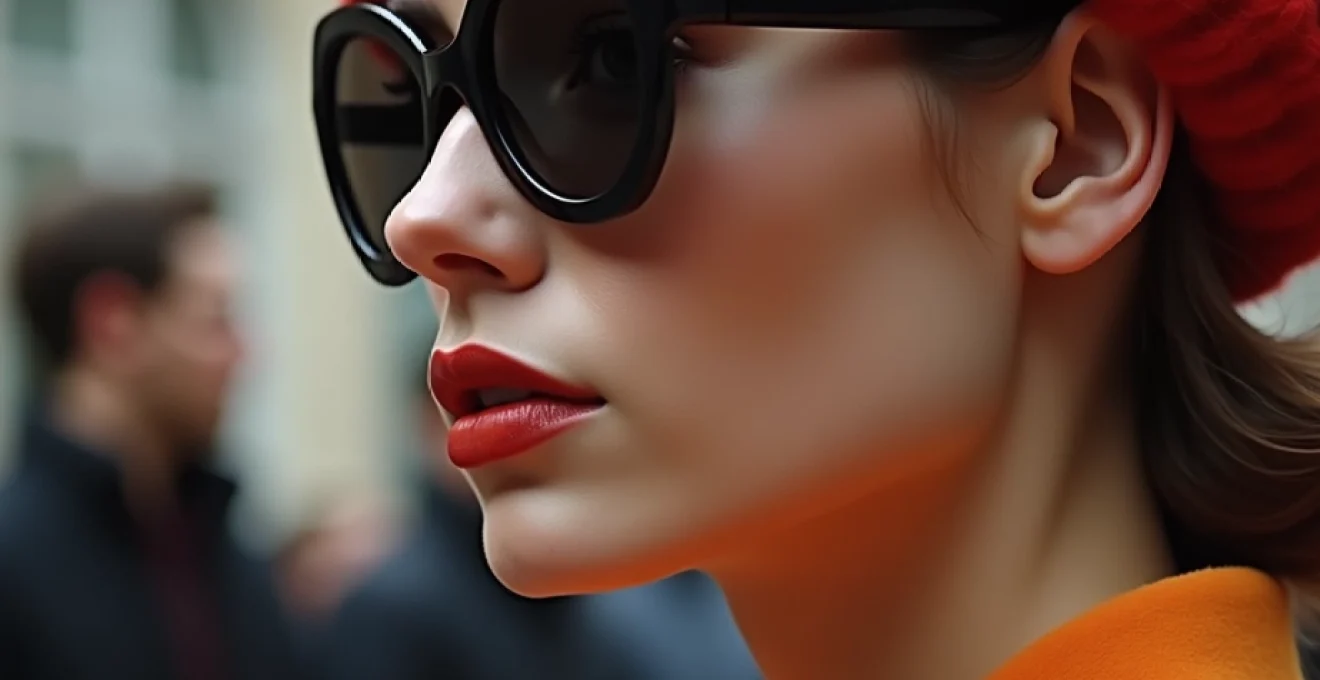
Fashion documentaries have emerged as a captivating medium that bridges the gap between high couture artistry and accessible storytelling. These films offer unprecedented access to the creative minds behind legendary fashion houses, revealing the intricate processes that transform sketches into runway masterpieces. From the intimate portrayal of designers’ creative struggles to the behind-the-scenes drama of major fashion events, these documentaries provide viewers with an immersive experience into one of the world’s most glamorous industries. Whether you’re seeking inspiration from fashion pioneers or simply curious about the business machinations of luxury brands, the following documentaries represent essential viewing for anyone passionate about style, creativity, and cultural influence.
Fashion documentary cinematography techniques and visual storytelling methods
The art of fashion documentary filmmaking requires a sophisticated understanding of both visual aesthetics and narrative structure. Directors must navigate the delicate balance between showcasing the beauty of fashion whilst simultaneously revealing the human stories behind the creations. This genre demands a unique cinematographic approach that can capture the ethereal quality of haute couture alongside the raw authenticity of creative processes.
Vérité documentary style in “the september issue” by R.J. cutler
R.J. Cutler’s approach to documenting Anna Wintour’s preparation for Vogue’s 2007 September issue exemplifies the power of cinéma vérité in fashion filmmaking. The documentary employs observational techniques that allow viewers to witness unguarded moments of editorial decision-making. Cutler’s camera captures the tension between Wintour’s exacting standards and Grace Coddington’s creative vision, creating a compelling narrative through minimal intervention. The filmmaker’s restraint in allowing situations to unfold naturally provides an authentic glimpse into the hierarchical dynamics of fashion publishing.
Portrait photography integration in “dior and I” by frédéric tcheng
Frédéric Tcheng masterfully integrates portrait photography techniques into his documentation of Raf Simons’ inaugural haute couture collection for Dior. The film’s cinematography mirrors the precision and attention to detail found in high fashion photography. Tcheng employs carefully composed frames that emphasise the relationship between designer and craftsperson, using close-up shots to reveal the meticulous handwork of Dior’s ateliers. The documentary’s visual language reflects the brand’s aesthetic principles, creating a cohesive viewing experience that honours both the subject matter and the medium.
Archive footage utilisation in “McQueen” documentary production
The posthumous documentary about Alexander McQueen demonstrates how archival footage can be transformed into powerful storytelling tools. Directors Ian Bonhôte and Peter Ettedgui utilise runway footage, personal videos, and media interviews to construct a comprehensive portrait of the designer’s evolution. The film’s editing techniques create seamless transitions between different time periods, allowing viewers to witness McQueen’s transformation from working-class tailor to international fashion icon. This approach proves particularly effective when documenting deceased subjects, as archival material becomes the primary vehicle for storytelling.
Behind-the-scenes access documentation in “the first monday in may”
Andrew Rossi’s documentation of the Metropolitan Museum of Art’s “China: Through the Looking Glass” exhibition showcases the challenges of capturing large-scale cultural events. The film employs multiple camera crews to document simultaneous preparations across different locations, from museum galleries to designer studios. Rossi’s team gains unprecedented access to planning meetings and installation processes, revealing the collaborative effort required to mount such ambitious exhibitions. The documentary’s multi-layered approach demonstrates how fashion intersects with art, culture, and diplomacy on a global scale.
Iconic fashion house documentary profiles and creative direction analysis
The most compelling fashion documentaries focus on the creative vision and business acumen of legendary designers and fashion houses. These films explore how individual artistic perspectives shape entire brands and influence broader cultural movements. Through intimate portraits and behind-the-scenes access, viewers gain insight into the personalities and processes that define luxury fashion.
Maison martin margiela’s enigmatic brand philosophy in “we margiela”
The documentary exploring Martin Margiela’s revolutionary approach to fashion design reveals the philosophy behind one of fashion’s most enigmatic figures. Margiela’s commitment to anonymity and conceptual design challenged traditional notions of designer celebrity. The film examines how the brand’s deconstructionist techniques and unconventional materials redefined haute couture possibilities. Through interviews with former employees and collaborators, viewers understand how Margiela’s vision influenced an entire generation of avant-garde designers.
Valentino garavani’s couture legacy documentation in “valentino: the last emperor”
Matt Tyrnauer’s portrait of Valentino Garavani during his final years as creative director provides an intimate look at fashion royalty. The documentary captures the designer’s meticulous attention to detail and unwavering commitment to traditional craftsmanship. Viewers witness the preparation for Valentino’s farewell collection, understanding the emotional weight of ending a five-decade career. The film effectively contrasts the glamorous public perception of fashion with the intense private dedication required to maintain such high standards. Valentino’s legacy extends beyond clothing to encompass a lifestyle philosophy that continues to influence contemporary luxury fashion.
Karl lagerfeld’s creative process examination in “lagerfeld confidential”
Rodolphe Marconi’s exploration of Karl Lagerfeld’s multifaceted creative process reveals the mind of fashion’s most prolific designer. The documentary showcases Lagerfeld’s ability to simultaneously helm multiple luxury brands whilst maintaining distinct creative identities for each. Viewers observe his sketching techniques, fabric selection processes, and collaborative relationships with models and photographers. The film demonstrates how Lagerfeld’s encyclopaedic cultural knowledge informed his design decisions across fashion, photography, and publishing ventures.
Yves saint laurent’s artistic vision in “L’Amour fou” documentary
Pierre Thoretton’s intimate portrayal of Yves Saint Laurent focuses on the designer’s relationship with partner Pierre Bergé and their shared passion for art collecting. The documentary explores how Saint Laurent’s psychological struggles influenced his revolutionary designs, from the Le Smoking tuxedo to his African-inspired collections. Through personal archives and interviews, viewers understand the emotional cost of creative genius. The film positions Saint Laurent’s work within the broader context of 20th-century art and culture, demonstrating fashion’s capacity for social commentary and artistic expression.
Coco chanel’s revolutionary design impact in “inside chanel” series
The multi-part documentary series examining Coco Chanel’s transformative impact on women’s fashion reveals how individual vision can reshape entire industries. The films explore Chanel’s rejection of restrictive Victorian clothing in favour of comfort and functionality. Through historical footage and expert commentary, viewers understand how Chanel’s designs liberated women both physically and socially. The series demonstrates how successful fashion designers must possess not only aesthetic vision but also acute understanding of cultural zeitgeist and social change.
Fashion industry business models and economic framework exposés
Contemporary fashion documentaries increasingly examine the economic structures underlying the glamorous facade of luxury fashion. These films reveal the complex business relationships, manufacturing processes, and market dynamics that drive the global fashion economy. Understanding these systems provides essential context for appreciating both the creative achievements and ethical challenges facing the modern fashion industry.
The documentary “The True Cost” exposes the human and environmental consequences of fast fashion production. Director Andrew Morgan’s investigation reveals how price pressures have created unsustainable manufacturing practices across developing nations. The film demonstrates the stark contrast between retail prices and worker wages, highlighting the economic inequalities embedded within global fashion supply chains. Through interviews with factory workers, environmental scientists, and industry executives, viewers gain comprehensive understanding of fashion’s true economic impact.
Several documentaries examine how luxury brands maintain exclusivity whilst achieving mass market penetration. Premium positioning strategies require careful balance between accessibility and aspiration. Brands must navigate the tension between heritage craftsmanship and modern production efficiency. These films reveal how successful fashion houses leverage storytelling, celebrity endorsements, and limited editions to justify premium pricing structures.
The rise of sustainable fashion movements has prompted documentaries exploring alternative business models. These films examine brands prioritising environmental responsibility and fair labour practices over profit maximisation. Viewers learn how conscious consumers can influence industry practices through purchasing decisions. The documentaries demonstrate that sustainable fashion requires fundamental restructuring of traditional business models, from raw material sourcing to end-of-life garment disposal.
The fashion industry’s economic transformation reflects broader societal shifts towards conscious consumption and corporate responsibility, challenging brands to reconcile profit motives with ethical imperatives.
Textile manufacturing processes and sustainable fashion movement documentation
Modern fashion documentaries increasingly spotlight the technical aspects of garment production and the growing movement towards sustainable manufacturing practices. These films provide crucial insight into the processes that transform raw materials into finished garments, whilst examining the environmental and social implications of different production methods.
“Fashion Reimagined” follows designer Amy Powney’s ambitious attempt to create a completely sustainable fashion collection. The documentary reveals the extraordinary complexity involved in sourcing environmentally responsible materials and establishing ethical manufacturing partnerships. Viewers witness the challenges of maintaining design integrity whilst adhering to strict sustainability criteria. The film demonstrates how sustainable fashion requires complete supply chain transparency and often involves significantly higher production costs.
Several documentaries explore traditional textile techniques that are increasingly threatened by industrial production methods. These films document master craftspeople working with heritage techniques passed down through generations. Artisanal production methods often produce superior quality garments but cannot compete with industrial efficiency on cost or scale. The documentaries argue that preserving these skills requires conscious consumer support and government protection for traditional industries.
The environmental impact of textile production has become a central theme in contemporary fashion documentaries. Films examine water usage, chemical pollution, and waste generation across different production methods. Viewers learn how synthetic materials contribute to microplastic pollution whilst natural fibres may require extensive pesticide use. These documentaries present the complex environmental trade-offs inherent in all manufacturing choices, encouraging informed consumer decision-making.
Innovation in sustainable materials represents a growing focus area for fashion documentaries. Films showcase laboratories developing alternatives to traditional materials, from lab-grown leather to recycled plastic fibres. These documentaries explore the technical challenges and commercial viability of new material technologies. The films suggest that technological innovation, rather than reduced consumption, may provide the most realistic path towards sustainable fashion production.
Fashion week coverage and editorial production Behind-the-Scenes analysis
Fashion week documentaries provide viewers with exclusive access to the industry’s most important events, revealing the intense preparation and coordination required to execute successful shows. These films capture the energy, drama, and creative collaboration that define fashion’s seasonal calendar whilst exploring the commercial and cultural significance of these gatherings.
The logistics of fashion week coordination involve hundreds of professionals working across multiple time zones to synchronise collections, venues, and media coverage. Documentaries reveal how casting directors select models, stylists coordinate looks, and production teams manage technical requirements. The films demonstrate how fashion weeks function as both creative showcases and commercial marketplaces, where buyers place orders worth millions of pounds. Behind the glamorous facade lies a sophisticated business operation requiring military-precision coordination.
Editorial production documentaries examine how fashion magazines create the imagery that defines seasonal trends and brand perceptions. These films follow photographers, stylists, and editors as they develop concepts and execute shoots. Creative collaboration between different specialists produces the final editorial content that influences consumer desires and purchasing decisions. The documentaries reveal how editorial teams balance artistic vision with commercial requirements, creating content that satisfies both creative and business objectives.
The relationship between fashion shows and media coverage has evolved significantly with digital platforms and social media integration. Modern documentaries explore how brands adapt their presentation strategies to maximise both traditional media coverage and social media engagement. Live streaming, influencer partnerships, and real-time content creation have transformed how fashion weeks operate. These films examine how technological changes affect the fundamental purpose and format of fashion presentations.
Fashion weeks represent the intersection of creativity, commerce, and media, where artistic vision meets market reality in highly choreographed spectacles that influence global style trends.
The democratisation of fashion week coverage through digital platforms has created new opportunities for emerging designers and alternative media voices. Documentaries explore how smaller brands leverage social media and guerrilla marketing techniques to gain attention alongside established luxury houses. These films demonstrate how technological accessibility has lowered barriers to entry whilst simultaneously increasing competition for consumer attention.
Fashion photography legends and their artistic legacy documentaries
Fashion photography documentaries celebrate the visionary artists who shaped how society perceives style, beauty, and luxury. These films explore the technical mastery and creative vision required to capture fashion’s ephemeral qualities in static images that endure across decades.
“Bill Cunningham New York” provides an intimate portrait of the legendary street style photographer whose work documented fashion’s evolution from the 1960s through the 2000s. The documentary reveals Cunningham’s democratic approach to fashion documentation, capturing both high society events and street fashion with equal enthusiasm. His photographs created an invaluable historical record of how fashion trends emerged and spread through different social groups. The film demonstrates how individual photographers can influence fashion through their unique perspective and editorial choices.
The documentary explores how fashion photographers function as cultural anthropologists, documenting social changes through evolving style preferences. These artists possess the technical skills to create compelling imagery whilst understanding the cultural contexts that give fashion meaning. Visual storytelling techniques developed by fashion photographers have influenced broader photographic practices across advertising, journalism, and fine art. The films reveal how successful fashion photographers must balance commercial requirements with personal artistic vision.
Fashion photography’s relationship with technology receives significant attention in contemporary documentaries. These films examine how digital photography, image editing software, and social media platforms have transformed the profession. Photographers must now consider how images will appear across multiple platforms and formats, from magazine spreads to Instagram posts. The documentaries explore how technological changes affect both the creative process and the commercial viability of fashion photography as a profession.
The diversity and representation within fashion photography has become an increasingly important documentary theme. Films examine how photographer demographics influence the subjects and styles that receive prominence in fashion media. These documentaries argue that expanding photographer diversity leads to more inclusive fashion representation, better reflecting contemporary society’s complexity. The films demonstrate how individual photographers can challenge industry conventions and promote positive social change through their work.
Archive preservation and curation represent growing concerns for fashion photography documentaries. These films explore how photographic estates and institutions work to preserve historically significant images for future generations. The documentaries reveal the technical challenges of maintaining image quality across different storage media and formats. The films argue that fashion photography archives constitute important cultural resources that deserve professional preservation and public access.