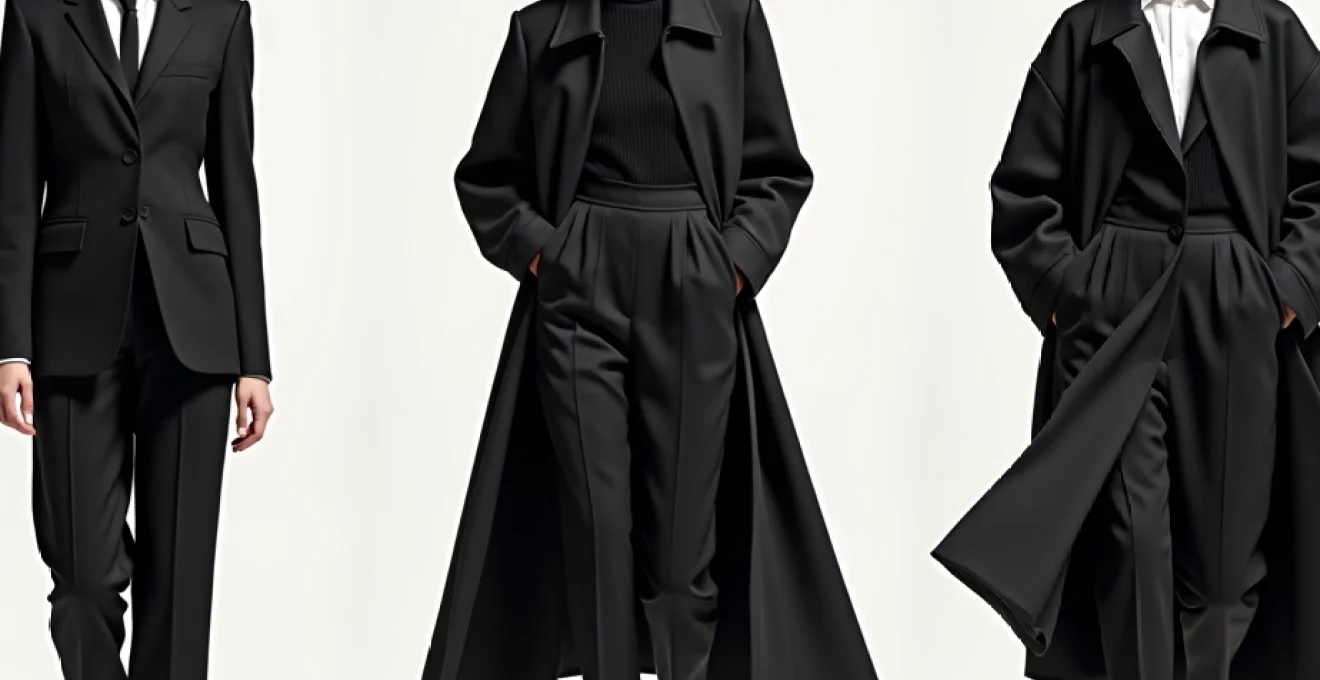
Fashion’s most enduring power play lies not in bold patterns or clashing colours, but in the refined sophistication of monochromatic dressing. This singular approach to style has captivated fashion enthusiasts for decades, transforming the simple concept of wearing one colour into an art form that speaks volumes about elegance, confidence, and intentional design. From the minimalist runways of Milan to the red carpets of Hollywood, monochrome styling continues to prove that sometimes the most impactful statement comes from restraint rather than excess.
The psychology behind monochromatic fashion runs deeper than mere aesthetic preference. When you step out in a carefully curated single-colour ensemble, you create an unbroken visual line that naturally elongates your silhouette whilst commanding attention through its very simplicity. This approach eliminates the visual noise that can occur when multiple colours compete for attention, allowing the wearer’s personality, confidence, and the quality of individual pieces to take centre stage.
Colour theory fundamentals: understanding monochromatic palette psychology
The foundation of successful monochromatic styling lies in understanding the psychological and visual impact of colour theory. Monochromatic schemes work on the principle that variations within a single hue create harmony whilst maintaining visual interest through subtle contrasts. This approach leverages the brain’s natural tendency to find patterns pleasing, creating a sense of cohesion that feels both intentional and effortless.
Research in colour psychology demonstrates that monochromatic palettes can significantly influence both the wearer’s confidence and observer perception. Studies indicate that individuals wearing single-colour outfits are perceived as more authoritative, sophisticated, and intentional in their choices. This phenomenon occurs because the unified colour scheme suggests careful consideration and attention to detail, traits that translate into perceived competence and style awareness.
Hue saturation and value manipulation in Single-Colour schemes
Mastering monochromatic dressing requires understanding the three fundamental properties of colour: hue, saturation, and value. The hue represents the pure colour itself, whilst saturation refers to the colour’s intensity or purity. Value, perhaps most crucial for monochromatic styling, describes the lightness or darkness of the colour. Successful single-colour outfits manipulate these three elements to create depth and visual interest without introducing new colours.
Consider how varying the saturation within your chosen hue can add dimensionality to your outfit. A deep navy blazer paired with a slightly desaturated navy shirt creates subtle contrast whilst maintaining colour harmony. Similarly, playing with value differences—such as combining light grey trousers with a charcoal jumper—provides the necessary visual separation between garments whilst preserving the monochromatic integrity.
Chromatic temperature impact on visual perception and mood
The temperature of your chosen colour significantly influences both the visual impact and emotional resonance of your monochromatic outfit. Warm colours such as reds, oranges, and yellows advance visually, creating energy and commanding attention. Cool colours like blues, greens, and purples recede, offering a more serene and sophisticated appearance. Understanding these principles allows you to select colours that align with your intended message and the occasion.
Warm monochromatic palettes work exceptionally well for social events and creative environments where you want to project approachability and confidence. A rust-coloured ensemble, for instance, combining burnt orange separates with terracotta accessories, creates warmth and accessibility. Conversely, cool monochromatic schemes excel in professional settings, with navy or charcoal outfits projecting authority and reliability.
Tonal gradation techniques for dimensional monochrome styling
The art of tonal gradation involves creating smooth transitions between different shades of your chosen colour, much like an artist might blend colours on a canvas. This technique prevents monochromatic outfits from appearing flat or one-dimensional. Start with your darkest shade at the base—perhaps charcoal trousers—and gradually lighten as you move upward, finishing with a pale grey shirt or light stone accessories.
Alternatively, reverse gradation can create striking effects by placing the lightest elements at the bottom and gradually deepening the tones upward. This approach draws the eye upward, creating an elongating effect that’s particularly flattering. The key lies in ensuring that each tonal transition feels intentional rather than accidental, with sufficient contrast between adjacent pieces to maintain definition whilst preserving colour harmony.
Colour wheel adjacent harmonies within monochromatic parameters
Whilst true monochromatic styling restricts itself to variations of a single hue, you can expand your options by incorporating analogous colours —those that sit adjacent to your chosen colour on the colour wheel. This approach maintains the harmonious feel of monochromatic dressing whilst offering slightly more variety. For instance, a blue-based monochromatic outfit might incorporate touches of blue-green or blue-violet without compromising the overall single-colour impact.
This technique works particularly well with neutral colours, where you might combine various shades of beige with touches of warm grey or soft taupe. The key lies in maintaining the dominant colour whilst using adjacent harmonies sparingly, perhaps in accessories or accent pieces, to add subtle complexity without breaking the monochromatic illusion.
Texture layering methodologies for monochromatic visual interest
When colour variation is limited, texture becomes your primary tool for creating visual intrigue and preventing monochromatic outfits from appearing monotonous. The strategic layering of different textures within the same colour family transforms a potentially flat ensemble into a rich, multidimensional look that engages multiple senses. This approach recognises that fashion is not merely visual but also tactile, and the interplay of textures can create depth that rivals any multicoloured outfit.
Professional stylists often describe texture mixing as the secret weapon of monochromatic dressing. By combining smooth and rough, matte and shiny, structured and flowing textures, you create points of interest that catch light differently and provide visual separation between garments. This technique ensures that each piece remains distinct whilst contributing to the overall cohesive appearance.
Fabric weight contrast principles in Same-Hue ensembles
The strategic combination of different fabric weights creates natural hierarchy and visual balance within monochromatic outfits. Heavy fabrics like wool, denim, or structured cotton naturally ground an outfit, making them ideal for foundational pieces such as trousers or blazers. Lighter materials such as silk, chiffon, or fine knits add movement and delicacy, perfect for layering pieces or statement elements.
Consider how a heavyweight charcoal wool coat over a medium-weight grey jumper and lightweight silk scarf creates a pleasing progression from substantial to ethereal. This weight gradation not only looks sophisticated but also functions practically, allowing for easy layering and temperature regulation throughout the day whilst maintaining the monochromatic integrity.
Surface treatment variations: matte, satin, and gloss combinations
Surface treatments offer another dimension for creating interest within monochromatic schemes. The way light interacts with different surface textures can dramatically alter the perception of colour, even when the underlying hue remains constant. Matte surfaces absorb light, appearing deeper and more subdued, whilst satin finishes reflect light softly, creating subtle luminosity. Glossy surfaces, such as patent leather or metallic finishes, reflect light directly, creating bright highlights and dramatic contrast.
A sophisticated black monochromatic outfit might combine matte black trousers with a satin blouse and glossy leather accessories. Each surface treatment catches and reflects light differently, creating the illusion of different colours whilst maintaining true monochromatic integrity. This interplay of light and surface creates visual movement and prevents the outfit from appearing static or dull.
Weave pattern juxtaposition for tactile depth creation
The structure of fabric itself—its weave pattern—provides another layer of textural interest for monochromatic styling. Smooth weaves like satin or twill create clean, uninterrupted surfaces, whilst textured weaves such as bouclé, tweed, or herringbone add visual complexity through their inherent patterns. Cable knits , ribbing, and other raised patterns create shadows and highlights that add dimensionality without introducing new colours.
Pairing a smooth-weave navy blazer with a cable-knit navy jumper and herringbone navy trousers creates a rich tapestry of textures that keeps the eye engaged. Each weave pattern catches light differently and provides unique visual interest, proving that pattern and texture can be just as impactful as colour when thoughtfully combined within a monochromatic framework.
Mixed media integration: leather, wool, and synthetic textures
Modern monochromatic styling benefits from the integration of diverse materials, each bringing unique textural properties to the ensemble. Natural materials like leather, wool, cotton, and silk offer organic textures with inherent variations, whilst synthetic materials can provide consistent surfaces and innovative textures impossible to achieve naturally. The key lies in balancing these different material families to create harmony rather than competition.
A brown monochromatic outfit might combine smooth leather boots with a wool coat, cotton shirt, and synthetic blend accessories. Each material contributes its unique surface quality whilst the consistent colour palette maintains unity. This approach allows you to explore the full spectrum of available textures whilst staying true to monochromatic principles, creating outfits that are both sophisticated and engaging.
Silhouette architecture and proportional balance techniques
The architecture of monochromatic outfits extends beyond colour and texture to encompass the fundamental principles of silhouette and proportion. When working within a single colour family, the shapes and proportions of individual garments become magnified in importance, as there are no contrasting colours to distract from the overall form. This heightened focus on silhouette requires careful consideration of how different shapes interact, complement, and balance each other within the unified colour scheme.
Professional stylists approach monochromatic silhouetting with the same precision architects use when designing buildings. Each element must serve both functional and aesthetic purposes whilst contributing to the overall structural integrity of the look. The absence of colour contrast means that the eye focuses more intently on the interplay of shapes, making it crucial to achieve harmonious proportions that flatter the wearer’s body whilst creating visual interest through form rather than hue.
Consider how the human eye processes monochromatic outfits differently from multicoloured ensembles. Without colour boundaries to define separate garments, the eye must rely on silhouette variations, texture changes, and proportional relationships to distinguish between different elements. This phenomenon can be leveraged to create elongating effects, define waistlines, or create the illusion of different body proportions through strategic shape manipulation.
The principle of proportional balance becomes paramount in monochromatic dressing. If you choose a voluminous top, balance it with fitted bottoms to maintain visual equilibrium. Conversely, wide-leg trousers pair beautifully with more tailored upper body pieces. This balance prevents the outfit from overwhelming the wearer whilst ensuring that each piece contributes meaningfully to the overall aesthetic without competing for attention.
Layering within monochromatic schemes requires particular attention to silhouette progression. Each layer should be visible and contribute to the overall shape whilst maintaining the clean lines that make monochromatic dressing so appealing. This might involve playing with hem lengths, neckline variations, or strategic use of open versus closed silhouettes to create depth and interest without compromising the streamlined aesthetic that defines successful single-colour styling.
Celebrity monochrome mastery: analysing iconic Single-Colour moments
The red carpet and high-profile events serve as laboratories for monochromatic excellence, where celebrities and their styling teams push the boundaries of single-colour dressing to create memorable, impactful looks. These carefully orchestrated appearances offer valuable insights into advanced monochromatic techniques, demonstrating how colour, texture, silhouette, and styling can combine to create truly iconic fashion moments that influence trends for years to come.
Celebrity monochromatic styling operates under unique constraints—the need to photograph well under various lighting conditions, stand out among hundreds of other looks, and convey specific messages about the wearer’s personal brand or current project. These requirements have led to innovative approaches to monochromatic dressing that translate beautifully to everyday wear when adapted appropriately.
Tilda swinton’s Avant-Garde monochromatic red carpet statements
Tilda Swinton’s approach to monochromatic dressing exemplifies how single-colour outfits can become vehicles for artistic expression and personal statement. Her red carpet appearances consistently demonstrate the power of committing fully to a monochromatic vision, often incorporating unexpected textures, unconventional proportions, and striking accessories that elevate simple colour concepts into memorable fashion moments.
Swinton’s technique often involves anchoring her monochromatic looks with one standout textural element—perhaps a sculpted metallic jacket or an unconventionally structured coat—whilst keeping other elements relatively simple. This approach proves that monochromatic impact doesn’t require complexity in every element; rather, it can be achieved through selective drama against a backdrop of refined simplicity within the chosen colour palette.
Kim kardashian’s balenciaga All-Black ensemble construction methods
Kim Kardashian’s collaboration with Balenciaga has produced numerous monochromatic moments that demonstrate the transformative power of all-black styling. Her approach focuses on creating dramatic silhouettes through strategic layering and proportion play, using the unified black palette to allow bold shapes and architectural elements to take centre stage without visual competition from colour variation.
The construction methodology behind these looks reveals sophisticated understanding of how monochromatic dressing can reshape and redefine the body’s natural silhouette. By using consistent colouring throughout, attention shifts entirely to form, texture, and proportion, allowing for more experimental approaches to garment construction and styling that might appear overwhelming in multicoloured contexts.
Lupita nyong’o’s academy awards blue prada monochrome styling
Lupita Nyong’o’s blue Prada gown from the Academy Awards represents masterful monochromatic evening wear, demonstrating how single-colour formal styling can create maximum impact through careful attention to fabric choice, silhouette, and complementary accessories. The look showcased how monochromatic evening wear can be both sophisticated and memorable without relying on colour contrast or embellishment.
The styling approach emphasised the importance of choosing the right shade of your monochromatic colour for your skin tone and the lighting conditions of your environment. The specific blue chosen created beautiful harmony with Nyong’o’s complexion whilst photographing beautifully under the varied lighting conditions of red carpet and indoor award ceremony environments.
Victoria beckham’s minimalist monochrome design philosophy
Victoria Beckham’s personal style and design philosophy demonstrate how monochromatic dressing can become a signature aesthetic approach. Her consistent commitment to single-colour outfits, often in neutral tones, has created a recognisable personal brand that emphasises quality, fit, and sophisticated simplicity over trend-driven complexity.
Beckham’s approach typically involves impeccable tailoring within monochromatic schemes, proving that when colour is simplified, every other element—fit, proportion, fabric quality, and styling details—becomes magnified in importance. Her methodology shows how monochromatic dressing can become a foundation for building a cohesive personal style that transcends seasonal trends whilst maintaining contemporary relevance.
Accessory calibration for monochromatic outfit enhancement
The role of accessories in monochromatic outfits extends far beyond mere decoration; they serve as critical elements that can make or break the sophisticated balance that defines successful single-colour styling. Unlike multicoloured outfits where accessories might provide colour relief or contrast, monochromatic accessories must work within more subtle parameters, using texture, proportion, metallic accents, and strategic placement to enhance rather than compete with the overall aesthetic.
Professional stylists approach monochromatic accessorising with surgical precision, understanding that each element—from the smallest earring to the most substantial handbag—must contribute meaningfully to the ensemble’s overall impact. The limited colour palette means that accessories cannot rely on hue contrast to create interest, instead requiring more sophisticated approaches to material combination, proportion play, and strategic highlighting.
Metallic accessories deserve special consideration within monochromatic schemes, as they provide neutral accent points that don’t disrupt colour harmony whilst adding necessary visual interest and light reflection. The choice between gold, silver, rose gold, or mixed metals should align with both the temperature of your chosen colour and your personal styling preferences. Warm metals like gold and rose
gold complement warmer monochromatic palettes in shades of red, orange, yellow, and brown, whilst cool metals like silver and platinum enhance cooler schemes in blues, greens, and purples.
The strategic use of metallics can also help define different areas of a monochromatic outfit without breaking colour harmony. A gold belt can cinch the waist of an all-camel ensemble, creating definition and structure whilst maintaining tonal consistency. Similarly, silver jewellery can add sparkle and refinement to grey monochromatic looks without introducing competing colours that might disrupt the sophisticated simplicity of the overall aesthetic.
Bag selection within monochromatic schemes requires particular consideration of both colour matching and proportional balance. The handbag often serves as a focal point in any outfit, and within monochromatic styling, this role becomes even more pronounced. Consider whether you want your bag to blend seamlessly into the colour scheme or provide subtle contrast through texture or finish variation whilst maintaining colour harmony.
Shoe selection can make or break a monochromatic outfit, as footwear grounds the entire look and provides the final visual anchor. The choice between matching your shoes exactly to your outfit’s colour or opting for a slightly different shade within the same family depends on the overall effect you’re seeking. Perfectly matched shoes create maximum elongation and seamless flow, whilst slight tonal variation in footwear can provide grounding contrast that prevents the look from appearing to float.
Seasonal monochrome adaptation strategies across fashion cycles
The adaptability of monochromatic dressing across seasons represents one of its greatest strengths as a styling philosophy. Unlike trend-driven approaches that may become dated, monochromatic principles can be adapted to work effectively in any climate, season, or fashion cycle whilst maintaining their essential sophistication and impact. This versatility stems from the fundamental nature of colour itself—every hue has seasonal associations and temperatures that can be leveraged to create appropriate and stunning looks year-round.
Understanding seasonal colour psychology becomes crucial when planning monochromatic wardrobes that feel fresh and appropriate throughout the year. Spring calls for lighter, more optimistic interpretations of your chosen colours—think pale yellow, soft pink, or fresh green monochromatic schemes that reflect the season’s renewal energy. Summer monochromatic palettes can embrace both bold, saturated colours that stand up to bright sunlight and cooling neutrals like white, cream, or pale blue that provide visual relief from heat.
Autumn monochromatic styling draws inspiration from nature’s own colour palette, with rich, warm tones like deep burgundy, burnt orange, olive green, or chocolate brown creating sophisticated seasonal looks. These colours naturally complement the season’s textures—think wool, suede, and heavier fabrics that add visual and physical warmth. Winter monochromatic schemes can embrace both dramatic darks like charcoal, navy, or deep purple, and striking light colours like winter white or pale grey that echo the season’s crisp clarity.
The layering opportunities inherent in cooler seasons provide excellent platforms for sophisticated monochromatic styling. Winter allows for complex layering within single colour families—imagine a grey ensemble incorporating a charcoal overcoat, medium grey sweater, light grey shirt, and dark grey accessories. Each layer remains visible and contributes to the overall monochromatic impact whilst providing necessary warmth and functionality.
Transitional seasons—early spring and late autumn—offer unique opportunities for monochromatic styling that acknowledges changing weather patterns whilst maintaining sophisticated colour discipline. These periods allow for innovative approaches to layering that can accommodate temperature fluctuations whilst preserving the clean lines and unified aesthetic that define successful monochromatic dressing.
Fabric choices must evolve with seasons whilst maintaining monochromatic integrity. Summer monochromatic outfits benefit from breathable fabrics like linen, cotton, and lightweight silk that allow air circulation whilst maintaining colour intensity. Winter schemes can embrace heavier textures like wool, cashmere, and structured fabrics that provide insulation whilst creating rich textural interest within the limited colour palette.
Seasonal monochromatic accessorising requires adaptation to both practical needs and aesthetic preferences. Summer accessories might include lightweight scarves, sun hats, and breathable shoes in colours that complement your monochromatic scheme. Winter accessorising can incorporate functional elements like gloves, heavy scarves, and substantial boots that maintain colour harmony whilst providing necessary protection from elements.
The key to successful seasonal monochromatic adaptation lies in understanding how different colours behave under varying light conditions throughout the year. The same blue that appears vibrant and fresh under summer sunlight might appear dull or cold under winter’s softer illumination. Successful seasonal monochromatic styling requires adjusting both colour intensity and finish choices to complement each season’s unique lighting characteristics.
Consider how professional environments and social expectations change seasonally, and adapt your monochromatic choices accordingly. The bright yellow monochromatic outfit that feels appropriate for a summer garden party might need toning down to deeper, more subdued yellows for autumn professional settings. This adaptability ensures that your monochromatic styling remains both appropriate and impactful regardless of seasonal context.
Finally, seasonal monochromatic dressing offers opportunities to build capsule wardrobes that transcend individual seasons whilst remaining fresh and current. By choosing colours that work across multiple seasons and investing in quality pieces that can be layered and adapted, you create a sophisticated wardrobe foundation that supports consistent personal style whilst remaining responsive to seasonal changes and fashion evolution.