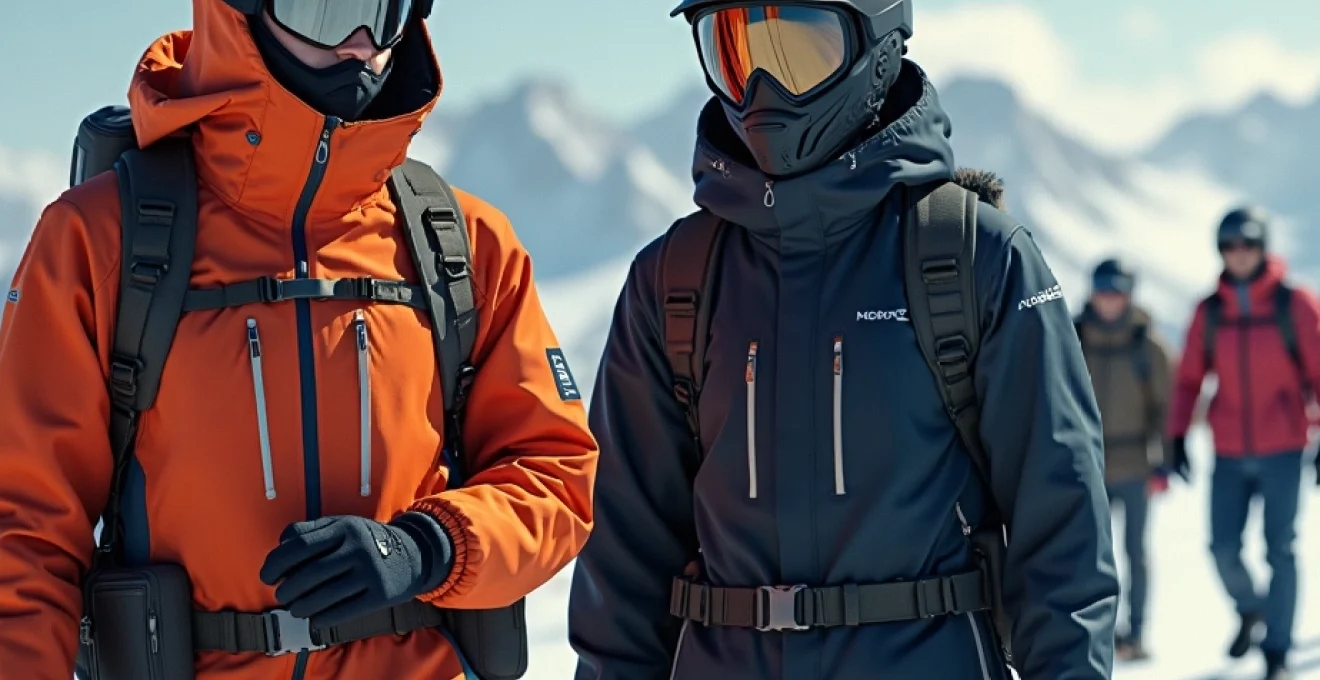
The boundaries between technical outdoor gear and luxury fashion have dissolved, creating a revolutionary aesthetic that prioritises performance alongside visual appeal. This convergence represents more than a fleeting trend—it signifies a fundamental shift in how designers approach garment construction, material selection, and consumer expectations. Modern fashion enthusiasts no longer accept the traditional trade-off between form and function, demanding pieces that excel in both domains.
High-end fashion houses now routinely incorporate military-grade materials, weatherproof technologies, and ergonomic design principles into their collections. This transformation reflects changing lifestyles where urban professionals require clothing that transitions seamlessly from boardroom presentations to outdoor adventures. The result is a sophisticated wardrobe that combines the refinement of couture construction with the durability and practicality of expedition-grade equipment.
Technical textile innovations driving Fashion-Forward functionality
The foundation of tech-wear’s evolution lies in revolutionary advances in textile engineering. Modern synthetic fibres offer unprecedented combinations of strength, flexibility, and environmental protection while maintaining the aesthetic sophistication required for luxury fashion applications. These innovations have transformed traditionally utilitarian materials into desirable fashion statements that command premium prices in high-end boutiques.
Contemporary technical textiles exhibit properties that would have seemed impossible just decades ago. Phase-change materials actively regulate body temperature, while advanced membrane technologies provide complete waterproofing without compromising breathability. These materials enable designers to create garments that adapt dynamically to environmental conditions and wearer requirements, representing a paradigm shift from static to responsive fashion.
Gore-tex and membrane technology integration in luxury garments
Gore-Tex technology has transcended its outdoor origins to become a cornerstone of luxury technical fashion. The membrane’s ability to prevent water penetration while allowing moisture vapour transfer creates an ideal microclimate within garments. High-end fashion brands now integrate these membranes into sophisticated silhouettes that maintain elegant proportions while delivering uncompromising weather protection.
The integration process requires meticulous attention to construction details that preserve the membrane’s integrity while achieving couture-level finishing. Specialised techniques ensure that seam placement, pattern matching, and tailoring refinements don’t compromise the technical performance that justifies premium pricing. This marriage of function and luxury has created a new category of investment pieces that deliver both aesthetic appeal and practical utility.
Phase change materials and thermoregulation systems in designer collections
Phase change materials represent the cutting edge of thermal management technology in fashion applications. These substances absorb, store, and release thermal energy as they transition between solid and liquid states, creating garments that actively regulate temperature rather than simply insulating. Designer collections now feature jackets and base layers that maintain optimal body temperature across varying activity levels and environmental conditions.
The incorporation of PCMs requires sophisticated fabric architecture that positions these materials for maximum effectiveness while maintaining garment drape and comfort. Advanced encapsulation techniques ensure durability through repeated wear and cleaning cycles, while strategic placement maximises thermal regulation without adding unwanted bulk or stiffness to the finished garment.
Ripstop weaving techniques and ballistic nylon applications
Ripstop weaving creates fabrics with extraordinary tear resistance through strategically placed reinforcement threads that prevent small punctures from propagating into large tears. This military-developed technology has found new expression in luxury fashion, where designers appreciate both its protective qualities and distinctive grid-like texture that adds visual interest to garment surfaces.
Ballistic nylon takes durability to extreme levels, offering abrasion resistance that exceeds traditional wool or cotton by orders of magnitude. Fashion applications leverage this strength for high-stress garment areas while using the material’s synthetic lustre and smooth texture as design elements. The result combines military-grade durability with aesthetic sophistication that appeals to discerning fashion consumers.
Water-repellent coatings and DWR treatment methodologies
Durable Water Repellent treatments create fabric surfaces that cause water to bead and roll off rather than penetrating the material. Advanced DWR formulations maintain effectiveness through extended wear and multiple washing cycles, ensuring consistent performance throughout the garment’s lifespan. These treatments work synergistically with membrane technologies to provide comprehensive moisture protection.
The application process requires precise control of chemical concentration, temperature, and curing conditions to achieve optimal performance without affecting fabric hand or appearance. Eco-friendly formulations eliminate problematic fluorochemicals while maintaining water repellency standards, addressing environmental concerns while preserving technical performance that fashion consumers expect.
Pioneering brands revolutionising Tech-Wear aesthetics
Several visionary brands have established themselves as leaders in the convergence of technical performance and fashion sophistication. These companies invest heavily in research and development, creating proprietary materials and construction techniques that define industry standards. Their influence extends far beyond their direct market share, inspiring countless imitators and driving innovation throughout the fashion ecosystem.
The success of these pioneers demonstrates that consumers willingly pay premium prices for genuine innovation that delivers tangible benefits. Rather than simply adding technical details to conventional designs, these brands fundamentally reimagine garment construction from first principles, creating entirely new aesthetic languages that celebrate functionality as a design element.
Stone island’s garment dyeing and research laboratory innovations
Stone Island’s approach to technical fashion centres on post-production garment treatment that creates unique aesthetic effects while enhancing functional properties. Their research laboratory develops proprietary dyeing processes that achieve unprecedented colour depth and durability, often requiring multiple treatment cycles to achieve desired results. These processes frequently alter fabric structure and performance characteristics, creating garments with enhanced weather resistance or thermal properties.
The brand’s commitment to innovation extends to fabric development partnerships with technical textile manufacturers. Custom weaves and material combinations exclusive to Stone Island create distinctive textures and performance profiles that cannot be replicated by competitors. This vertical integration of research, development, and production ensures complete control over both aesthetic and functional outcomes.
Acronym’s modular design philosophy and technical pattern making
Acronym revolutionised technical fashion through modular design systems that allow garments to adapt to changing conditions and user requirements. Removable panels , adjustable ventilation systems, and convertible configurations create versatile pieces that function effectively across diverse scenarios. This approach maximises utility while minimising wardrobe requirements, appealing to urban professionals with limited storage space.
The brand’s pattern-making techniques prioritise ergonomic movement over traditional fashion silhouettes. Three-dimensional pattern development ensures optimal fit during dynamic activities while maintaining sophisticated appearance during static wear. These techniques require extensive prototyping and testing to achieve the precise balance between mobility and aesthetics that defines Acronym’s distinctive style.
Arc’teryx veilance minimalist construction techniques
Arc’teryx Veilance translates extreme outdoor performance standards into urban-appropriate aesthetics through minimalist design principles that eliminate superfluous details while maximising functional efficiency. Clean lines and subtle technical elements create sophisticated silhouettes that conceal advanced construction techniques and high-performance materials beneath refined exteriors.
The construction methodology emphasises seamless integration of technical features that remain invisible during normal wear but activate when conditions demand enhanced performance. Hidden ventilation systems, concealed adjustment mechanisms, and integrated weather protection maintain elegant proportions while delivering expedition-level functionality when required.
Nike ACG and Outdoor-Urban hybrid development
Nike’s All Conditions Gear division bridges athletic performance and street fashion through designs that excel in both urban environments and outdoor adventures. The aesthetic philosophy embraces bold colour combinations and innovative silhouettes that stand out in city settings while incorporating practical features essential for outdoor activities. This approach creates distinctive pieces that appeal to fashion-conscious consumers who value versatility.
Material selection emphasises lightweight performance that doesn’t compromise durability or weather protection. Advanced synthetic insulations, moisture-wicking base layers, and abrasion-resistant shells create comprehensive systems that adapt to changing conditions without requiring complete wardrobe changes. The result combines athletic functionality with street-ready style that appeals to diverse consumer segments.
Performance engineering meets couture construction
The integration of performance engineering principles with traditional couture construction techniques represents one of the most significant developments in contemporary fashion. This synthesis requires unprecedented collaboration between technical engineers and fashion designers, each bringing specialised knowledge that enhances the final product’s capabilities. The result transcends simple combination, creating entirely new approaches to garment construction that redefine possibilities in both domains.
Traditional couture techniques emphasise precision, attention to detail, and superior finishing that creates garments worthy of the highest fashion runways. Performance engineering contributes systematic approaches to problem-solving, materials optimisation, and functional integration that ensure technical effectiveness. When these methodologies combine, they produce garments that satisfy the most demanding aesthetic and performance criteria simultaneously.
Seam sealing technology and waterproof zipper integration
Seam sealing creates completely waterproof garment construction by applying specialised tapes or solvents that eliminate the microscopic gaps inherent in sewn seams. This process requires precise temperature and pressure control to achieve effective bonding without damaging fabric or compromising garment structure. High-end fashion applications demand seam sealing techniques that maintain aesthetic refinement while delivering technical performance.
Waterproof zipper integration presents complex engineering challenges that balance functionality with design requirements. These components must maintain complete environmental sealing while operating smoothly under load and providing appropriate aesthetic contribution to overall garment appearance. Strategic placement and integration techniques ensure optimal performance without compromising design integrity or user experience.
Laser-cut ventilation systems and breathability optimisation
Laser cutting technology enables precise creation of ventilation openings that provide targeted airflow without compromising garment integrity or aesthetic appeal. These systems can be activated on demand through mechanical mechanisms or respond automatically to thermal conditions, creating dynamic comfort management that adapts to wearer requirements and environmental conditions.
Breathability optimisation requires sophisticated understanding of thermal dynamics, moisture transport, and airflow patterns within garment systems. Computer modelling and extensive testing ensure that ventilation placement maximises cooling efficiency while maintaining appropriate aesthetic balance and structural integrity throughout the garment’s expected lifespan.
Reflective material placement and visibility enhancement design
Strategic reflective material placement enhances wearer visibility in low-light conditions while contributing to overall design aesthetics through carefully considered geometric patterns and accent elements. Advanced retroreflective materials offer superior brightness and durability compared to traditional options, maintaining effectiveness through extended wear and cleaning cycles.
Design integration techniques ensure that safety features enhance rather than compromise overall garment aesthetics. Subtle placement strategies provide necessary visibility enhancement while maintaining sophisticated appearance during daylight wear, creating versatile pieces that transition seamlessly between professional and recreational applications.
Multi-panel construction and ergonomic movement engineering
Multi-panel construction techniques create garments that conform precisely to body contours during movement while maintaining appropriate fit during static wear. This approach requires detailed understanding of human biomechanics and extensive prototyping to achieve optimal panel placement and sizing. The result provides unprecedented freedom of movement without compromising aesthetic appeal or professional appearance.
Ergonomic engineering principles guide panel placement decisions that prioritise functionality while supporting overall design objectives. Strategic use of different materials within individual garments optimises performance characteristics for specific body areas while maintaining visual coherence and construction integrity throughout the finished piece.
Market positioning and consumer psychology in technical fashion
The technical fashion market operates within complex psychological frameworks that influence consumer behaviour and purchase decisions. Modern consumers increasingly value authenticity and genuine innovation over superficial styling changes, creating opportunities for brands that deliver measurable performance improvements alongside aesthetic appeal. This shift represents a fundamental change in fashion consumer priorities that emphasises substance over pure visual impact.
Price points in technical fashion reflect both the advanced materials and sophisticated construction techniques required to achieve desired performance levels. Consumers demonstrate willingness to invest significantly in pieces that provide genuine utility and durability, particularly when these attributes combine with distinctive aesthetic appeal that justifies premium positioning in their wardrobes.
Brand differentiation in this space requires consistent innovation and authentic technical expertise rather than purely marketing-driven positioning strategies. Consumers possess increasing technical knowledge and expect detailed information about materials, construction techniques, and performance specifications. This informed customer base rewards genuine innovation while quickly identifying and rejecting superficial technical claims that lack substance.
The psychological appeal of technical fashion extends beyond practical utility to include aspirational lifestyle associations and identity expression. Wearing technically advanced garments signals values related to adventure, preparedness, and appreciation for quality that resonate with professional consumers seeking to express multifaceted identities through their clothing choices.
The most successful technical fashion brands understand that their customers purchase not just garments, but membership in communities defined by shared values of innovation, quality, and authentic functionality.
Social media influence significantly impacts technical fashion adoption rates, with visual platforms showcasing both aesthetic appeal and functional demonstrations that educate consumers about product capabilities. Influencer partnerships prove most effective when they demonstrate genuine product usage rather than purely styling applications, reinforcing authenticity messages that resonate with target demographics.
Sustainability challenges in High-Performance textile production
The production of high-performance technical textiles presents significant environmental challenges that the fashion industry must address to maintain sustainable development trajectories. Advanced synthetic materials often require energy-intensive manufacturing processes and utilise chemical treatments that raise environmental concerns. However, the durability and longevity of technical garments can offset initial environmental costs through extended use cycles that reduce overall consumption requirements.
Recycling challenges emerge from the complex material compositions that make technical textiles performance-effective but difficult to process through conventional recycling systems. Multi-layer constructions, chemical treatments, and mixed-fibre compositions require specialised recycling techniques that remain economically challenging at commercial scales. Industry leaders invest in developing closed-loop systems that can process their specific material combinations.
Life cycle analysis reveals that technical garments often demonstrate superior environmental performance over their complete lifespan compared to conventional alternatives requiring frequent replacement. A single high-quality technical jacket that lasts fifteen years generates less environmental impact than multiple conventional jackets replaced every few seasons, despite higher initial production costs and environmental investment.
Water usage in textile production represents another significant challenge, particularly for treatments like DWR applications and membrane lamination processes. Advanced manufacturing facilities implement water recycling systems and develop alternative treatment methods that reduce consumption while maintaining performance standards. These investments increase production costs but contribute to long-term sustainability objectives.
Chemical regulations continue evolving to address environmental and health concerns associated with textile treatments and synthetic material production. Manufacturers invest heavily in developing compliant alternatives that maintain performance standards while eliminating problematic substances. These transition costs affect pricing but demonstrate industry commitment to environmental responsibility.
Sustainable technical fashion requires balancing immediate environmental costs against long-term benefits of durability, functionality, and reduced replacement frequency.
Future convergence of wearable technology and fashion design
The next evolution in technical fashion involves seamless integration of electronic components and smart materials that respond dynamically to environmental conditions and wearer requirements. These developments promise garments that actively manage temperature, monitor physiological parameters, and communicate with external devices while maintaining the aesthetic sophistication expected in luxury fashion applications.
Flexible electronics and conductive textiles enable integration of sensors, displays, and communication devices directly into fabric structures without compromising comfort or appearance. These technologies create opportunities for garments that provide real-time feedback about environmental conditions, physical performance, or health metrics while maintaining the refined aesthetics required for professional and social wear.
Energy harvesting technologies show promise for powering integrated electronic systems through body movement, thermal differentials, or solar collection. These approaches eliminate battery weight and replacement requirements while enabling continuous operation of embedded systems. Successful implementation requires careful balance between power generation capacity and aesthetic impact of collection systems.
Artificial intelligence integration enables garments that learn from wearer behaviour and environmental patterns to optimise performance automatically. Machine learning algorithms can predict temperature changes, activity levels, and comfort requirements to adjust ventilation, insulation, or support systems proactively. This responsive capability represents the ultimate convergence of fashion and technology.
Biometric integration possibilities include continuous health monitoring, stress detection, and fitness tracking embedded invisibly within garment structures. These capabilities appeal particularly to health-conscious consumers who value comprehensive wellness monitoring without wearing obvious devices that might compromise professional appearance or personal style preferences.
The manufacturing processes required for smart textiles demand significant investment in new equipment and technical expertise that few fashion companies currently possess. Strategic partnerships between fashion brands and technology companies enable access to required capabilities while maintaining focus on core design and marketing competencies. These collaborations accelerate development timelines and reduce individual company risk exposure.
Consumer acceptance of smart garments depends heavily on seamless integration that prioritises fashion aesthetics while delivering genuine utility that justifies increased complexity and costs. Early adopters focus primarily on fitness and outdoor applications, but broader market adoption requires sophistication levels appropriate for professional and formal wear situations where electronic components remain completely invisible.