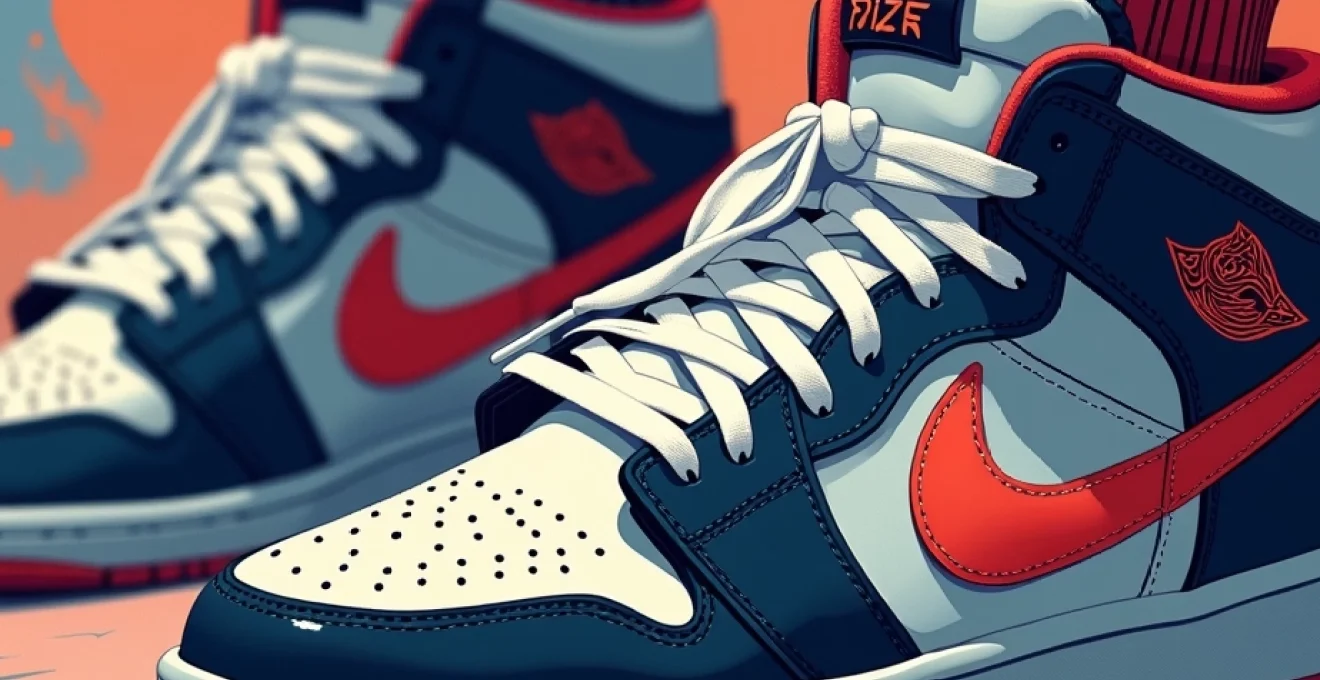
The sneaker industry has undergone a remarkable transformation over the past two decades, evolving from simple athletic footwear into powerful cultural statements that influence entire wardrobes. Limited-edition releases have become the driving force behind this evolution, creating a ripple effect that extends far beyond the sneaker community itself. What began as functional sports equipment has morphed into coveted fashion pieces that command astronomical resale prices and shape global style trends.
This cultural shift represents more than just a change in footwear preferences. Limited-edition sneakers now serve as anchors for entire outfits, dictating colour palettes, silhouettes, and styling choices across the fashion spectrum. The phenomenon has created a new economy built on scarcity marketing , where the rarity of a product becomes its primary selling point, fundamentally altering how consumers approach fashion consumption and personal expression.
Hypebeast economy: market dynamics behind Limited-Edition sneaker releases
The modern sneaker market operates on principles that would seem counterintuitive to traditional retail wisdom. Rather than maximising production to meet demand, brands deliberately limit quantities to create artificial scarcity. This approach has spawned what industry insiders call the “hypebeast economy” – a market ecosystem where exclusivity drives value more than utility or even quality.
The financial implications of this model are staggering. The global sneaker resale market reached $6 billion in 2021 and continues growing at an annual rate exceeding 20%. This secondary market has become so influential that many consumers purchase sneakers not for wearing, but as investment vehicles. Some limited releases appreciate in value by 2,000% or more within months of their initial drop, creating a speculative market reminiscent of trading cards or fine art.
Nike SNKRS app draw system and consumer psychology manipulation
Nike’s SNKRS application exemplifies the sophisticated psychology behind modern sneaker releases. The app’s draw system transforms purchasing into a lottery-like experience, where participants submit entries for the chance to buy limited releases. This mechanism taps into the same psychological triggers that make gambling addictive – intermittent reinforcement schedules that keep users engaged despite frequent losses.
The draw system also creates what behavioural economists call “loss aversion amplification.” When consumers invest time and emotional energy into entering draws, unsuccessful attempts feel like genuine losses rather than simply not making a purchase. This psychological manipulation keeps users returning to the platform, maintaining engagement between releases and building brand loyalty through shared struggle rather than satisfaction.
Stockx authentication process and secondary market price inflation
StockX revolutionised sneaker reselling by introducing stock market mechanics to footwear trading. Their authentication process and bid-ask pricing model legitimised the secondary market, attracting institutional investors and treating sneakers as genuine commodities. The platform’s success demonstrates how market infrastructure can transform niche collecting into mainstream investing.
The authentication process itself has become a value-adding service, with StockX tags serving as certificates of authenticity that can increase a sneaker’s resale value by 10-15%. This system has created trust in a market previously plagued by counterfeits, enabling price inflation that benefits both platforms and sellers while creating barriers for casual consumers who simply want to wear the shoes.
Adidas confirmed app regional release strategies and scarcity marketing
Adidas employs sophisticated regional release strategies through their Confirmed app, creating localised scarcity that amplifies demand across different markets. By limiting releases to specific geographical areas or requiring in-store pickups, the brand manufactures exclusivity even within exclusivity. This approach recognises that scarcity perception varies significantly across different consumer segments and geographical regions.
The regional strategy also enables dynamic pricing testing, where similar products can command different price points in different markets based on local demand intensity. This granular approach to scarcity marketing demonstrates how brands have moved beyond simple supply limitation to sophisticated demand manipulation across multiple dimensions.
GOAT platform verification standards and resale value determination
GOAT’s verification standards have become industry benchmarks that influence how collectors evaluate and preserve their sneakers. The platform’s detailed condition grading system has created new categories of value based on factors like box condition, lace quality, and even the presence of original tissue paper. This granular evaluation process has elevated sneaker collecting to levels of precision typically associated with fine art or vintage wines.
The platform’s influence extends beyond individual transactions to shape manufacturing decisions. Brands now consider how their packaging and materials will age over time, knowing that GOAT’s verification standards will partially determine long-term resale values. This feedback loop between secondary market platforms and primary manufacturers represents a fundamental shift in how products are designed and positioned.
Streetwear integration: limited sneakers as fashion statement anchors
Limited-edition sneakers have transcended their role as footwear to become central anchoring pieces that dictate entire outfit compositions. This evolution reflects a broader shift in fashion towards statement pieces that serve as focal points around which complementary items are selected. The phenomenon has created new styling paradigms where shoes drive clothing choices rather than merely complementing them.
The integration of limited sneakers into broader streetwear culture has democratised high-fashion aesthetics while simultaneously creating new forms of exclusivity. A single pair of coveted sneakers can elevate basic clothing items, creating outfits that command attention and respect within fashion-conscious communities. This transformation has blurred traditional boundaries between athletic wear, casual clothing, and luxury fashion.
Off-white x nike collaborations influencing High-Fashion sneaker aesthetics
Virgil Abloh’s Off-White collaborations with Nike fundamentally redefined what constituted acceptable sneaker design in high-fashion contexts. By incorporating deconstructed elements, quotation marks, and industrial aesthetics, these collaborations introduced irony and conceptual thinking into sneaker design. The success of “The Ten” collection proved that consumers were ready for sneakers that functioned as wearable art rather than merely functional footwear.
These collaborations established a template for integrating streetwear authenticity with luxury fashion credibility. The design language pioneered in Off-White x Nike releases has influenced countless subsequent collaborations, creating a new aesthetic vocabulary that bridges underground culture and high fashion. This influence extends beyond sneakers to impact how luxury brands approach streetwear categories more broadly.
Travis scott jordan partnerships bridging music and streetwear culture
Travis Scott’s Jordan Brand collaborations represent the perfect fusion of music culture and sneaker design, demonstrating how celebrity partnerships can transcend traditional endorsement models. Scott’s hands-on involvement in design processes and his ability to create narrative around releases have set new standards for artist collaborations. His “Cactus Jack” Jordan releases consistently sell out within minutes and maintain strong resale values months after release.
The success of Scott’s collaborations lies in their authentic connection to his musical identity and personal aesthetic. Rather than simply attaching his name to existing designs, Scott works with Jordan Brand to create genuinely distinctive products that reflect his artistic vision. This approach has influenced how other musicians and celebrities approach sneaker collaborations, emphasising authentic creative input over mere celebrity endorsement.
Fragment design hiroshi fujiwara collaborations defining minimalist luxury
Hiroshi Fujiwara’s Fragment Design collaborations have established minimalism as a legitimate luxury aesthetic within sneaker culture. By applying subtle design modifications and premium materials to classic silhouettes, Fragment releases demonstrate that restraint can be more valuable than ostentation. The Fragment x Jordan collaborations, in particular, have achieved cult status among collectors who appreciate understated sophistication.
Fragment’s approach to collaboration emphasises the power of curation over creation, selecting specific elements to modify while respecting the integrity of original designs. This philosophy has influenced how luxury brands approach sneaker collaborations, recognising that editorial restraint can be more impactful than dramatic transformation. The success of Fragment releases has validated minimalism as a viable approach to limited-edition design.
Fear of god essentials jerry lorenzo impact on elevated casual dressing
Jerry Lorenzo’s Fear of God Essentials line has redefined the relationship between luxury fashion and streetwear accessibility. By creating sneakers that bridge high-fashion aesthetics with attainable price points, Lorenzo demonstrated that elevated casual dressing doesn’t require astronomical spending. His approach to sneaker design emphasises premium materials and refined silhouettes while maintaining streetwear authenticity.
The Fear of God aesthetic has influenced how consumers approach “elevated basics” – simple, well-executed pieces that can anchor sophisticated casual outfits. Lorenzo’s sneaker designs embody this philosophy, offering refinement without ostentation and quality without excessive branding. This approach has inspired countless imitators and established new standards for what constitutes premium casual footwear.
Social media amplification: instagram and TikTok driving sneaker demand
Social media platforms have fundamentally transformed how sneaker trends develop and spread, creating accelerated hype cycles that can make or break releases within hours. Instagram’s visual-centric format provides the perfect medium for showcasing sneaker collections, while TikTok’s algorithm-driven content distribution can turn obscure releases into global phenomena overnight. These platforms have democratised trend creation while simultaneously making trend cycles more volatile and unpredictable.
The influence of social media extends beyond mere marketing to shape actual design decisions and release strategies. Brands now consider how sneakers will photograph for social media, ensuring that designs translate effectively to smartphone screens and social media feeds. This consideration has led to bolder colour choices, more dramatic silhouettes, and design elements specifically intended to create shareworthy moments that drive organic social media engagement.
Influencer culture within sneaker communities has created new pathways to trend adoption that bypass traditional marketing channels entirely. Micro-influencers with dedicated sneaker-focused followings can drive significant demand for specific releases through authentic enthusiasm and detailed reviews. This organic influence often proves more effective than traditional celebrity endorsements because followers perceive it as more genuine and trustworthy.
The speed at which social media can amplify sneaker trends has compressed traditional product lifecycles, forcing brands to adapt their development and release schedules accordingly. What once required months or years to gain traction can now achieve viral status within days, creating opportunities for rapid success but also risks of equally rapid decline. This acceleration has made market timing more critical than ever, with brands needing to anticipate and respond to social media trends with unprecedented agility.
Social media has transformed sneakers from products into content, where the story behind a release can be more important than the product itself.
Celebrity endorsement evolution: from athletes to cultural influencers
The evolution of celebrity endorsements in sneaker culture reflects broader changes in how consumers perceive authenticity and influence. Traditional athlete endorsements, while still important, now compete with musicians, artists, social media personalities, and cultural figures who may have never set foot on a professional sports field. This shift recognises that sneaker culture has expanded far beyond athletic performance to encompass lifestyle, fashion, and cultural identity.
Modern celebrity collaborations require deeper involvement than traditional endorsement deals, with celebrities expected to contribute meaningful design input and authentic personal connection to products. Consumers have become sophisticated enough to distinguish between genuine passion and contracted promotion, demanding authenticity from celebrity partners. This evolution has elevated the importance of selecting partners whose personal brands align genuinely with sneaker culture values rather than simply those with the largest social media followings.
The success of non-athletic celebrity collaborations has proven that cultural relevance can be more valuable than athletic achievement in driving sneaker sales. Musicians like Kanye West, Travis Scott, and Bad Bunny have created some of the most successful sneaker collaborations in history despite having no professional athletic credentials. Their success demonstrates that consumers value cultural connection and artistic vision over traditional sports performance associations.
This shift has also democratised celebrity endorsement opportunities, creating paths for emerging cultural figures to partner with major brands without requiring mainstream celebrity status. Brands increasingly recognise the value of authentic community connections over broad market appeal, leading to collaborations with niche influencers, underground artists, and subcultural leaders who may have limited mainstream recognition but strong influence within specific communities.
The financial models for celebrity collaborations have evolved beyond simple endorsement fees to include profit-sharing arrangements, equity stakes, and long-term partnership structures. These deeper financial relationships align celebrity interests with product success, encouraging more meaningful involvement in design processes and marketing efforts. The result is collaborations that feel more authentic and sustainable than traditional endorsement relationships.
Technical innovation in limited releases: performance technology as fashion driver
The integration of cutting-edge performance technology into fashion-focused limited releases represents a fascinating convergence of function and form that defines modern sneaker culture. Brands have discovered that consumers don’t want to choose between style and performance – they expect both in equal measure. This expectation has driven unprecedented innovation in materials science, manufacturing techniques, and design integration that benefits both athletic performance and aesthetic appeal.
Limited releases often serve as testing grounds for new technologies that may eventually filter down to mainstream product lines. This approach allows brands to gauge consumer reception for innovative features while maintaining the exclusivity that drives demand for limited editions. The feedback loop between limited release performance and market acceptance helps brands refine technologies before broader rollouts, reducing development risks while maximising innovation impact.
Nike air max technology integration in Lifestyle-Focused releases
Nike’s Air Max technology has successfully transitioned from pure performance innovation to lifestyle fashion statement, demonstrating how technical features can become aesthetic elements. The visible air cushioning system that once served purely functional purposes now serves as a design focal point that influences colour schemes, material choices, and overall silhouette development. This evolution shows how performance technology can maintain technical benefits while gaining fashion credibility.
Recent Air Max releases have pushed the boundaries of air unit visibility and integration, creating designs where the technology becomes the primary aesthetic feature. Collaborations with fashion designers and artists have reimagined how air cushioning can be incorporated into designs, treating the technology as a sculptural element rather than merely a functional component. This approach has influenced how other brands integrate visible technologies into their own designs.
Adidas boost foam applications in Fashion-Forward silhouettes
Adidas Boost foam technology represents perhaps the most successful integration of performance innovation with fashion appeal in recent sneaker history. The distinctive popcorn-textured foam provides genuine comfort benefits while creating a unique visual signature that enhances design aesthetics. Boost technology has become so associated with Adidas that it functions as both a performance feature and a brand identifier, creating immediate visual recognition and quality association.
The versatility of Boost foam has enabled its integration across diverse sneaker categories, from high-performance running shoes to luxury fashion collaborations. This adaptability has allowed Adidas to maintain technical consistency while exploring varied aesthetic directions, creating a coherent technology story that spans multiple consumer segments. The success of Boost-equipped limited releases has validated the importance of genuine performance benefits in fashion-focused products.
Jordan brand retro engineering and heritage performance features
Jordan Brand’s approach to retro engineering demonstrates how historical performance features can be recontextualised for contemporary fashion consumption while maintaining technical authenticity. The brand’s commitment to recreating original construction methods and materials in retro releases satisfies both nostalgic consumers and performance-focused buyers. This approach recognises that heritage technologies can be just as compelling as cutting-edge innovations when properly presented.
The success of Jordan retro releases has influenced how other brands approach their own historical catalogs, recognising the value of authentic recreation over modernised interpretation. Consumers increasingly appreciate the craft and innovation of historical sneaker technologies, viewing them as genuine technical achievements worthy of preservation and celebration. This trend has created new markets for heritage-focused limited releases that emphasise historical accuracy and craftsmanship quality.
Jordan Brand’s integration of contemporary performance improvements with heritage aesthetics has created a template for balancing nostalgic appeal with modern expectations. By subtly updating comfort features while maintaining visual authenticity, the brand satisfies both collectors seeking historical accuracy and consumers demanding contemporary wearability. This balance has proven crucial for sustaining long-term interest in retro releases while attracting new generations of consumers to classic designs.