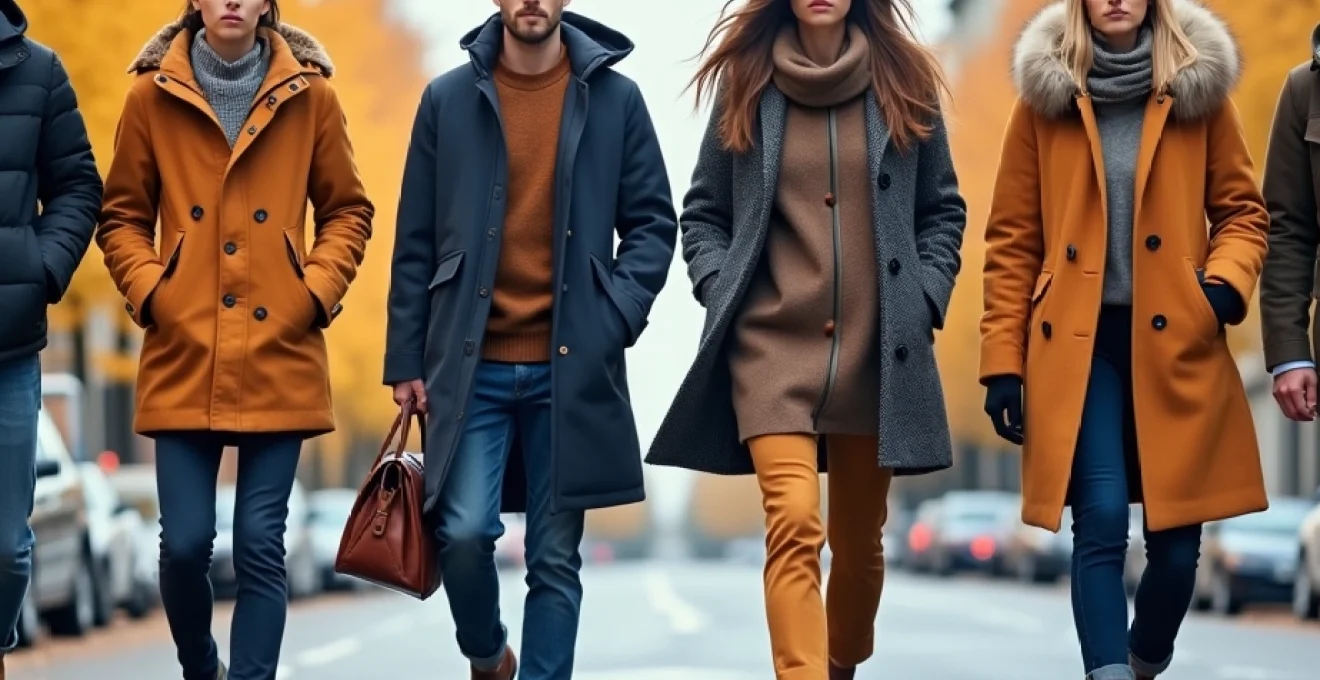
Transitional weather presents one of fashion’s greatest challenges, demanding versatility and strategic thinking when curating daily looks. The unpredictable nature of seasonal shifts requires an understanding of layering principles, fabric technologies, and adaptable styling techniques that can accommodate dramatic temperature fluctuations throughout the day. Whether navigating the crisp mornings and warm afternoons of early autumn or managing spring’s temperamental climate swings, mastering transitional dressing ensures comfort, style, and confidence regardless of what the weather delivers.
Layering fundamentals: the Base-Mid-Shell system for temperature regulation
The foundation of successful transitional dressing lies in understanding the three-layer system that outdoor enthusiasts and fashion professionals alike have refined over decades. This approach provides maximum adaptability whilst maintaining style integrity throughout changing conditions. The base-mid-shell system allows for precise temperature regulation without sacrificing aesthetic appeal or creating bulk.
Moisture-wicking base layer selection: merino wool vs synthetic fibres
Base layers serve as the foundation of any effective transitional outfit, managing moisture whilst providing initial temperature regulation. Merino wool remains the gold standard for base layer construction, offering natural antimicrobial properties and exceptional temperature regulation across varying conditions. The fine gauge of merino fibres creates a lightweight yet insulating barrier that adapts to body temperature changes throughout the day.
Synthetic alternatives, particularly those incorporating polyester and elastane blends, provide enhanced durability and faster drying times. Modern synthetic base layers often feature moisture-wicking technology that pulls perspiration away from the skin, making them ideal for high-activity days or humid transitional weather. The choice between natural and synthetic materials depends largely on intended use, personal preference, and environmental considerations.
Insulating Mid-Layer strategies: down fill power and synthetic alternatives
Mid-layers provide the bulk of thermal regulation in transitional outfits, requiring careful consideration of materials and construction. Down insulation, measured by fill power ratings typically ranging from 550 to 900, offers exceptional warmth-to-weight ratios. Higher fill power indicates greater loft and insulating efficiency, though transitional weather often benefits from moderate ratings around 650-750 fill power.
Synthetic insulation alternatives, such as PrimaLoft or Polartec, maintain insulating properties when wet and dry more rapidly than down. These materials excel in transitional climates where unexpected rain or high humidity might compromise down’s effectiveness. The choice between down and synthetic mid-layers should consider local climate patterns and individual activity levels.
Weather-resistant shell integration: DWR coatings and breathability ratings
Shell layers complete the three-layer system, providing protection from wind and precipitation whilst allowing moisture vapour to escape. DWR (Durable Water Repellent) coatings create the first line of defence against light rain and snow, causing water to bead and roll off the fabric surface rather than soaking through.
Breathability ratings, measured in grams of moisture vapour transmitted per square metre over 24 hours (MVTR), indicate how effectively a shell layer manages internal moisture. Transitional weather shells should ideally feature MVTR ratings between 10,000-20,000 g/m²/24hr, providing adequate breathability without compromising weather protection. Understanding these technical specifications empowers better decision-making when selecting transitional outerwear pieces.
Transitional fabrics: ponte knits and technical cotton blends
Modern fabric innovations have created materials specifically designed for transitional weather challenges. Ponte knits , constructed using a double-knit technique, offer the structure of woven fabrics with the stretch and comfort of knits. These fabrics maintain their shape throughout temperature fluctuations whilst providing moderate insulation and excellent drape.
Technical cotton blends incorporate performance fibres such as elastane or polyester to enhance traditional cotton’s properties. These blends often feature enhanced breathability, moisture management, and wrinkle resistance whilst maintaining cotton’s natural comfort and aesthetic appeal. The integration of technical fibres addresses cotton’s traditional limitations in variable weather conditions.
Versatile wardrobe essentials: Multi-Functional pieces for climate adaptability
Building a transitional wardrobe requires strategic investment in pieces that perform multiple functions across varying conditions. The concept of versatility extends beyond simple styling options to encompass genuine adaptability in construction, materials, and design features that respond to changing environmental demands.
Convertible outerwear: Zip-Off sleeves and removable hood systems
Convertible outerwear represents the pinnacle of transitional functionality, offering multiple configurations within a single garment. Zip-off sleeve systems transform jackets into vests, providing thermal regulation options as temperatures fluctuate throughout the day. This modularity eliminates the need to carry additional layers or make wholesale outfit changes.
Removable hood systems add another dimension of adaptability, allowing for protection against unexpected precipitation whilst maintaining clean lines when conditions improve. Quality convertible pieces feature reinforced attachment points and weatherproof zippers to ensure longevity and weather resistance. The investment in convertible outerwear often proves cost-effective compared to maintaining separate pieces for different conditions.
Adaptable footwear solutions: chelsea boots and weatherproof trainers
Footwear selection significantly impacts transitional outfit success, requiring pieces that navigate between seasons whilst maintaining appropriate style levels. Chelsea boots provide an ideal balance of protection and versatility, offering ankle support and weather resistance whilst remaining appropriate for both casual and semi-formal occasions.
Modern weatherproof trainers incorporate technical materials and construction techniques traditionally reserved for hiking footwear. Features such as waterproof membranes, grippy outsoles, and quick-drying materials make contemporary trainers viable options for transitional weather without sacrificing style. The key lies in selecting pieces that maintain aesthetic appeal whilst delivering functional performance.
The most successful transitional pieces are those that seamlessly blend technical performance with timeless style, creating wardrobe staples that transcend seasonal boundaries whilst maintaining relevance across changing fashion cycles.
Modular accessories: lightweight scarves and packable rain hats
Accessories provide the finishing touches that can transform an outfit’s appropriateness for changing conditions. Lightweight scarves made from materials such as cashmere blends or technical fibres offer warmth and style flexibility without bulk. These pieces can be worn traditionally, draped casually, or stored compactly when temperatures rise.
Packable rain hats address one of transitional weather’s most challenging aspects – unexpected precipitation. Modern designs compress to minimal sizes whilst providing effective coverage and maintaining style integrity. The ability to quickly deploy weather protection without compromising appearance makes packable accessories essential transitional tools.
Transitional denim: Mid-Weight selvage and stretch technology
Denim remains a transitional wardrobe cornerstone, though fabric weight and construction significantly impact performance across changing conditions. Mid-weight denim, typically ranging from 12-14 ounces per square yard, provides durability and insulation without excessive bulk. This weight category offers optimal balance for transitional wear.
Stretch technology integration enhances traditional denim’s comfort and mobility whilst maintaining authentic appearance and feel. Modern stretch denim incorporates elastane percentages typically ranging from 1-3%, providing movement freedom without compromising structure. The combination of appropriate weight and stretch technology creates denim that performs across transitional weather challenges.
Fabric technology and performance materials for variable conditions
Contemporary textile technology has revolutionised transitional dressing through innovative materials that actively respond to environmental changes. These smart fabrics go beyond traditional static properties to provide dynamic performance that adapts to varying conditions throughout the day. Understanding these technologies empowers more informed wardrobe decisions and enhanced comfort across transitional periods.
Phase change materials (PCMs) represent cutting-edge fabric technology that absorbs, stores, and releases thermal energy based on ambient temperature changes. These materials maintain consistent comfort levels by moderating temperature fluctuations, making them particularly valuable for transitional weather applications. Microencapsulated PCMs integrated into fabric fibres provide this temperature regulation without adding bulk or compromising textile aesthetics.
Advanced moisture management systems utilise engineered fibre structures to create directional moisture transport. These systems move perspiration away from the skin through capillary action whilst preventing external moisture penetration. The result is enhanced comfort during temperature transitions and improved performance in variable humidity conditions. Brands increasingly incorporate these technologies into everyday garments, making high-performance materials accessible for transitional wardrobes.
Antimicrobial treatments integrated at the fibre level provide odour control benefits particularly valuable during transitional periods when layering requirements might limit washing frequency. Silver ion technology and other antimicrobial solutions maintain garment freshness across extended wear periods whilst remaining gentle on skin and environmentally responsible.
Seasonal colour psychology: transitioning from autumn earthtones to spring brights
Colour selection plays a crucial psychological role in transitional dressing, influencing both personal mood and social perception as seasons change. The strategic use of colour can bridge seasonal gaps whilst maintaining style relevance and personal expression. Understanding colour psychology principles enables more intentional wardrobe choices that support emotional well-being during transitional periods.
Autumn earthtones, including warm browns, deep oranges, and muted yellows, naturally complement the changing landscape whilst providing psychological grounding during seasonal transitions. These colours create visual harmony with environmental changes whilst offering versatility in combination with other wardrobe elements. Earthy palettes provide stability and comfort during uncertain transitional periods.
Spring brights gradually enter the colour story as daylight hours increase and temperatures moderate. The introduction of fresh greens, soft blues, and pale pinks signals renewal and optimism whilst maintaining connection to natural seasonal progressions. The key lies in gradual colour transitions rather than abrupt seasonal switches that might feel jarring or inappropriate.
Successful colour transitions mirror nature’s gradual shifts, introducing new seasonal tones whilst maintaining connection to existing wardrobe elements, creating visual continuity that supports both style consistency and psychological comfort.
Neutral foundations provide the backbone for successful colour transitions, offering stability whilst allowing for seasonal accent integration. Sophisticated neutrals such as warm greys, soft beiges, and muted blues create canvases for both autumn earthtones and spring brights. This approach maximises wardrobe versatility whilst minimising investment requirements for seasonal transitions.
Regional climate considerations: UK weather patterns and Micro-Seasonal dressing
The United Kingdom’s maritime climate creates unique transitional weather challenges that require specific dressing strategies. The proximity to large bodies of water moderates temperature extremes but increases humidity and precipitation frequency, demanding wardrobe choices that prioritise moisture management and rapid adaptability. Understanding regional climate patterns enables more effective transitional dressing strategies.
UK weather patterns feature frequent pressure system changes that can produce dramatic conditions shifts within hours. Morning fog, afternoon sunshine, and evening drizzle might all occur within a single day, requiring layering systems that accommodate these rapid transitions. Micro-seasonal dressing approaches treat each day as potentially containing multiple weather seasons, preparing accordingly.
Humidity levels remain consistently high throughout most UK transitional periods, making moisture management a critical consideration. Fabrics that maintain comfort in high humidity whilst providing adequate warmth become essential wardrobe components. Natural fibres such as wool and linen excel in these conditions, though modern technical fabrics increasingly provide comparable performance.
Wind exposure significantly impacts perceived temperature throughout the UK, making windproof outer layers more important than in continental climates. The combination of moderate temperatures with high wind speeds creates cooling effects that static temperature readings don’t reflect. Transitional wardrobes must account for wind chill factors through appropriate shell layer selection and construction details such as adjustable cuffs and hem cinching systems.
Professional capsule wardrobes: Office-Appropriate transitional styling solutions
Professional environments present unique challenges for transitional dressing, requiring adherence to workplace dress codes whilst maintaining comfort across varying conditions. The modern workplace increasingly recognises the importance of adaptive clothing that supports productivity and well-being throughout changing seasons. Building office-appropriate transitional wardrobes requires balancing professional standards with practical weather considerations.
Tailored blazers constructed from technical fabrics provide professional appearance whilst offering weather adaptability. Modern blazer construction incorporates stretch materials, moisture-wicking linings, and temperature-regulating fibres that maintain structure and comfort across varying office conditions. Technical tailoring represents the evolution of professional wear to meet contemporary workplace demands.
Ponte knit dresses and separates offer professional aesthetics with enhanced comfort and adaptability. These pieces maintain structured appearance whilst providing stretch and temperature regulation that traditional woven professional wear often lacks. The wrinkle resistance of quality ponte knits also supports busy professional lifestyles where maintenance time is limited.
Layering strategies for professional environments must consider both aesthetic and practical requirements. Lightweight cardigans, structured vests, and professional-weight scarves provide temperature regulation options that maintain workplace appropriateness. The key lies in selecting pieces that enhance rather than compromise professional appearance whilst delivering functional benefits.
Footwear selection for professional transitional wardrobes requires particular attention to weather protection without sacrificing professional standards. Weatherproof leather shoes, professional ankle boots with technical soles, and high-quality synthetic alternatives provide protection whilst maintaining office appropriateness. Investment in quality professional footwear pays dividends in comfort and appearance throughout transitional weather periods.