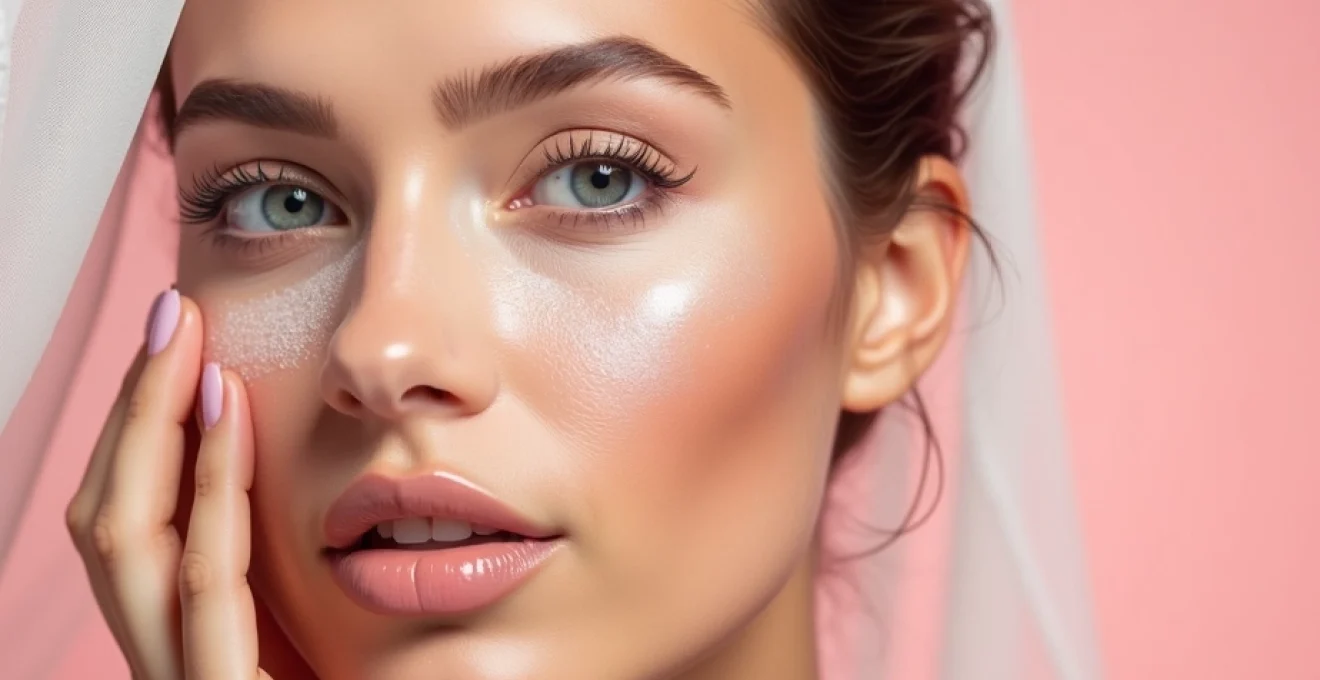
The relationship between skincare and makeup longevity represents one of the most critical yet often overlooked aspects of beauty routines. While many focus exclusively on foundation selection and application techniques, the true secret to achieving flawless, long-lasting makeup lies beneath the surface. A properly prepared skin foundation serves as the invisible architecture that supports every layer of cosmetic application, determining whether your carefully crafted look will endure throughout the day or fade within hours.
Professional makeup artists have long understood that exceptional results stem from meticulous preparation rather than expensive products alone. The skin’s natural characteristics—its pH balance, moisture levels, texture, and barrier function—directly influence how makeup adheres, blends, and maintains its appearance over time. When these fundamental elements are optimised through strategic skincare practices, the transformation in makeup performance becomes immediately apparent, creating a seamless canvas that enhances both coverage and wear time.
Dermatological foundation principles: ph balance and skin barrier function for makeup adhesion
The skin’s pH level serves as a fundamental determinant of makeup compatibility and longevity. Healthy skin maintains a slightly acidic pH of approximately 4.5 to 5.5, creating an optimal environment for cosmetic adherence. When this delicate balance is disrupted through harsh cleansing products or environmental factors, makeup application becomes compromised, resulting in patchy coverage, premature fading, and an overall uneven appearance.
The acid mantle, a protective film covering the skin’s surface, plays a crucial role in maintaining this pH balance while simultaneously supporting the skin barrier’s integrity. This invisible shield consists of sebum, sweat, and naturally occurring amino acids that work together to prevent moisture loss and protect against external irritants. When the acid mantle functions optimally, it creates a smooth, receptive surface that allows makeup to distribute evenly and bond effectively with the skin.
Understanding the science behind skin pH reveals why some foundations appear flawless on certain individuals while looking patchy on others, despite using identical application techniques.
Stratum corneum integrity and transepidermal water loss prevention
The stratum corneum, the outermost layer of the epidermis, functions as the primary barrier between your skin and makeup products. This complex structure consists of corneocytes embedded within a lipid matrix, creating a brick-and-mortar arrangement that regulates moisture retention and prevents excessive transepidermal water loss (TEWL). When this barrier remains intact, makeup applications appear smoother and maintain their appearance for extended periods.
Compromised stratum corneum integrity manifests through increased TEWL rates, leading to dehydration, flakiness, and irregular surface texture. These conditions create an unstable foundation for makeup application, causing products to cling to dry patches, emphasise fine lines, and fade unevenly throughout the day. Research indicates that optimal TEWL rates should remain below 15 g/m²/h for healthy skin barrier function.
Sebum production regulation through niacinamide and zinc oxide applications
Sebum production significantly impacts makeup longevity, particularly in individuals with oily or combination skin types. Niacinamide , a form of vitamin B3, demonstrates remarkable efficacy in regulating sebaceous gland activity while simultaneously strengthening the skin barrier. Clinical studies show that 5% niacinamide applications can reduce sebum production by up to 40% within 12 weeks of consistent use.
Zinc oxide serves dual purposes in skincare-makeup relationships, functioning as both a sebum regulator and a physical barrier enhancer. This mineral ingredient helps control oil production while providing a smooth, matte surface that improves makeup adherence. When incorporated into daily skincare routines, zinc oxide creates an ideal base for long-wearing makeup applications, particularly beneficial for those experiencing excess shine in T-zone areas.
Ceramide and hyaluronic acid molecular weight impact on surface texture
Ceramides represent essential lipid molecules that maintain skin barrier integrity and moisture retention. These naturally occurring compounds fill the intercellular spaces within the stratum corneum, creating a smooth, plump surface ideal for makeup application. When ceramide levels are optimal, the skin exhibits improved texture uniformity, reduced appearance of fine lines, and enhanced product absorption capabilities.
Hyaluronic acid’s molecular weight directly influences its penetration depth and surface effects. Low molecular weight hyaluronic acid penetrates deeper layers, providing long-term hydration benefits, while high molecular weight variants remain on the surface, creating immediate plumping effects. For makeup preparation purposes, combining both molecular weights creates a multi-dimensional hydration approach that addresses both immediate surface smoothness and long-term skin health.
Skin microbiome balance using prebiotics and lactobacillus ferment
The skin microbiome’s balance significantly impacts overall skin health and makeup compatibility. Beneficial bacteria populations help maintain pH balance, produce protective antimicrobial compounds, and support barrier function. When this delicate ecosystem becomes disrupted through overuse of antibacterial products or harsh ingredients, the resulting inflammation and irritation can compromise makeup application quality.
Prebiotic ingredients, such as inulin and fructooligosaccharides, nourish beneficial skin bacteria while inhibiting harmful microorganisms. Lactobacillus ferment products introduce beneficial bacteria directly to the skin surface, helping restore balance and improve overall skin condition. This microbiome-focused approach creates a healthier foundation for makeup application, reducing the likelihood of breakouts that can disrupt cosmetic coverage.
Professional primer selection based on skin type classification systems
Primer selection represents a critical decision point that can dramatically influence makeup performance and longevity. Understanding the relationship between individual skin characteristics and primer formulations enables optimal product matching that addresses specific concerns while creating an ideal base for cosmetic application. Professional makeup artists rely on established skin classification systems to guide their primer selections, ensuring compatibility between skin type, environmental conditions, and desired makeup outcomes.
The complexity of modern primer formulations allows for highly targeted approaches to skin preparation. Rather than adopting a one-size-fits-all mentality, successful makeup application requires careful consideration of factors including skin type, environmental conditions, makeup formulation compatibility, and individual skin concerns. This systematic approach ensures that the primer serves its intended function of creating a smooth, long-lasting base while addressing specific skin needs.
Fitzpatrick scale considerations for Silicone-Based versus Water-Based formulations
The Fitzpatrick scale, originally developed to classify skin’s response to UV exposure, provides valuable insights for primer selection. Individuals with Fitzpatrick types I-III typically benefit from silicone-based primers that provide additional barrier protection and smooth surface irregularities. These formulations create a protective layer that helps prevent foundation from absorbing into the skin while providing a silky finish that enhances makeup application.
Fitzpatrick types IV-VI often respond better to water-based primer formulations that allow for better skin breathing and moisture retention. These skin types frequently possess naturally higher oil production and may find silicone-based products too occlusive. Water-based primers provide hydration benefits while creating a smooth base that doesn’t interfere with the skin’s natural moisture regulation processes.
Baumann skin type indicator: Oily-Sensitive versus Dry-Resistant primer matching
The Baumann Skin Type Indicator system offers a more comprehensive approach to skin classification, considering factors including oiliness, sensitivity, pigmentation, and wrinkle tendency. This multi-dimensional classification system enables more precise primer matching that addresses multiple skin concerns simultaneously. Oily-sensitive skin types require primers that control excess sebum production while providing anti-inflammatory benefits to prevent irritation.
Dry-resistant skin types benefit from primers containing humectant ingredients and barrier-strengthening compounds. These formulations should provide immediate hydration while supporting long-term skin barrier function. The primer selection for this skin type focuses on preventing moisture loss during makeup wear while creating a smooth, receptive surface for foundation application.
Dimethicone and cyclopentasiloxane molecular structure for pore minimisation
Silicone-based ingredients like dimethicone and cyclopentasiloxane demonstrate exceptional pore-minimising properties due to their unique molecular structures. Dimethicone forms a flexible, breathable film on the skin surface that effectively fills enlarged pores and creates a smooth canvas for makeup application. This ingredient’s large molecular size prevents penetration into the skin while providing long-lasting surface benefits.
Cyclopentasiloxane offers complementary benefits through its volatile nature and smaller molecular structure. This ingredient provides immediate smoothing effects while evaporating quickly, leaving behind a silky finish without residue buildup. The combination of these silicone compounds creates a multi-layered approach to pore minimisation that addresses both immediate visual improvement and long-term makeup adhesion.
Mattifying agents: silica microspheres and aluminium starch octenylsuccinate applications
Mattifying agents play crucial roles in controlling shine and extending makeup wear time, particularly for individuals with oily or combination skin types. Silica microspheres function as oil-absorbing particles that create a matte finish while maintaining skin comfort. These spherical particles provide a soft-focus effect that minimises the appearance of imperfections while controlling excess sebum production throughout the day.
Aluminium starch octenylsuccinate represents an advanced mattifying ingredient that combines oil absorption with skin-conditioning properties. This modified starch derivative provides superior oil control compared to traditional mattifying ingredients while maintaining skin compatibility. Its unique structure allows for gradual oil absorption, preventing the cakey appearance often associated with aggressive mattifying products.
Advanced hydration techniques: glycerin gradients and occlusive layering
Sophisticated hydration strategies extend far beyond basic moisturiser application, incorporating advanced techniques that optimise skin moisture levels for superior makeup performance. The concept of glycerin gradients involves applying products with varying glycerin concentrations to create a moisture reservoir that supports long-lasting makeup wear. This layered approach ensures consistent hydration throughout the day while preventing the surface dryness that can compromise cosmetic application quality.
Professional makeup artists employ occlusive layering techniques to lock in moisture while creating an optimal surface for makeup application. This method involves applying lightweight hydrating products followed by strategic placement of occlusive ingredients that prevent moisture loss without interfering with makeup adherence. The key lies in understanding which ingredients work synergistically to enhance both skin health and cosmetic performance.
Humectant ingredients like glycerin and sodium hyaluronate draw moisture from the environment and deeper skin layers to the surface, creating immediate plumping effects that smooth fine lines and improve skin texture. When combined with appropriate occlusive agents, this moisture becomes locked in place, providing sustained hydration that supports makeup longevity. The timing of these applications proves critical, with optimal results achieved when hydrating products are allowed to absorb fully before primer and makeup application.
The molecular weight of hydrating ingredients significantly impacts their performance in makeup preparation. Low molecular weight ingredients penetrate deeper into the skin, providing long-term hydration benefits, while high molecular weight compounds remain on the surface, creating immediate smoothing effects. Strategic combination of these different molecular weights creates a comprehensive hydration system that addresses both immediate makeup needs and long-term skin health maintenance.
The most effective hydration strategies create invisible moisture reservoirs beneath the skin surface, supporting makeup application while maintaining skin health throughout extended wear periods.
Temperature and humidity environmental factors affecting makeup longevity
Environmental conditions significantly influence makeup performance, with temperature and humidity variations directly impacting product behaviour, skin physiology, and overall cosmetic longevity. Understanding these relationships enables proactive adjustments to skincare routines and product selections that account for environmental challenges. High temperature conditions accelerate sebum production while increasing transepidermal water loss, creating a complex interplay that requires careful management through targeted skincare preparation.
Humidity levels affect makeup performance through multiple mechanisms, influencing product setting times, adherence properties, and overall wear characteristics. Low humidity environments increase water evaporation from both skin and cosmetic products, potentially leading to rapid product setting and reduced blendability. Conversely, high humidity conditions can prevent proper product setting while encouraging bacterial growth and oxidation processes that compromise makeup quality over time.
Temperature fluctuations throughout the day create additional challenges for makeup maintenance, as products formulated for specific temperature ranges may behave differently as conditions change. Thermal stability becomes a crucial consideration when selecting both skincare and makeup products, particularly for individuals who experience significant temperature variations in their daily environments. This factor explains why makeup that performs well in air-conditioned indoor environments may fail when exposed to outdoor heat and humidity.
Seasonal adjustments to skincare routines prove essential for maintaining consistent makeup performance throughout the year. Winter conditions typically require increased hydration and barrier protection to combat dry air and heating systems that strip moisture from the skin. Summer preparations focus on oil control and sweat resistance, requiring lighter formulations that won’t become compromised by increased temperature and humidity levels. These seasonal adaptations ensure optimal skin preparation regardless of environmental challenges.
Professional application methodology: tool selection and technique precision
Professional makeup application extends far beyond product selection, encompassing sophisticated tool choices and application techniques that maximise both immediate results and long-term wear performance. The relationship between application tools and skin preparation becomes particularly evident when examining professional makeup artists’ methodologies. These experts understand that even the highest-quality products can fail when applied with inappropriate tools or incorrect techniques on inadequately prepared skin.
Brush selection impacts makeup application through multiple factors including bristle type, density, shape, and size. Natural bristles excel at powder product application due to their ability to pick up and distribute particles evenly, while synthetic bristles perform better with liquid and cream formulations. The density of brush heads affects coverage intensity, with densely packed bristles providing fuller coverage and looser configurations offering more sheer, buildable application options.
Sponge application techniques have evolved significantly with the introduction of advanced materials and shapes designed for specific application needs. Beauty sponges require dampening to activate their optimal performance characteristics, creating a bouncing application motion that presses products into the skin rather than wiping them across the surface. This technique proves particularly effective on well-prepared skin, as the hydrated surface allows for seamless blending and natural-looking coverage.
Application sequence significantly impacts final results, with professional artists following established protocols that build coverage gradually while maintaining skin texture authenticity. This approach begins with the lightest products and progresses to heavier formulations, allowing each layer to set properly before adding subsequent products. The properly prepared skin base supports this layering approach by providing consistent adhesion properties across the entire face surface.
Temperature considerations during application affect product performance, with slightly warmed products often providing superior blending characteristics and skin fusion properties. Professional makeup artists frequently warm liquid products between their palms or use heated application tools to optimise product consistency and application ease. This technique proves particularly beneficial when working with thicker formulations or in cooler environments where products may become less pliable.
Ingredient interaction analysis: Skincare-Makeup chemical compatibility matrix
The chemical interactions between skincare and makeup products represent a complex field that directly impacts application quality and wear longevity. Understanding these interactions prevents common compatibility issues that can lead to pilling, separation, or premature breakdown of cosmetic applications. Professional makeup artists maintain detailed knowledge of ingredient interactions to ensure optimal product layering and performance outcomes.
Silicone-based skincare products require careful consideration when paired with water-based makeup formulations, as these ingredient categories can create barriers that prevent proper product adhesion. Dimethicone-heavy moisturisers may create a film that causes water-based foundations to ball up or slide across the skin surface rather than blending seamlessly. Understanding these incompatibilities allows for strategic product selection that ensures harmonious layering and optimal results.
pH interactions between skincare and makeup products can cause colour shifts, texture changes, or premature product breakdown. Highly acidic skincare ingredients like glycolic acid or vitamin C serums may interact with alkaline makeup components, leading to oxidation, colour changes, or reduced efficacy. Professional approaches involve allowing adequate time between product applications or selecting formulations with compatible pH ranges to prevent adverse reactions.
Oil content compatibility requires careful balance, as excessive oil from skincare products can compromise makeup adherence while insufficient hydration leads to poor product blending and premature wear. The key lies in selecting skincare products that provide optimal hydration without creating an overly slippery surface that prevents makeup adhesion. This balance proves particularly challenging for individuals with oily skin who require hydration without additional oil burden.
Chemical compatibility between skincare and makeup products determines whether applications will enhance each other or create conflicts that compromise overall performance and appearance.
Ingredient timing proves crucial for optimal chemical compatibility, with certain skincare ingredients requiring specific absorption periods before makeup application. Active ingredients like retinoids or alpha hydroxy acids nee
d adequate absorption time before makeup application to prevent irritation and ensure proper chemical interaction. This timing consideration becomes particularly important when using active ingredients that can affect skin pH or texture, as premature makeup application may lead to streaking, pilling, or reduced efficacy of both skincare and cosmetic products.
Preservative systems in skincare and makeup products can interact in unexpected ways, particularly when formulations contain conflicting antimicrobial agents. Parabens, phenoxyethanol, and benzyl alcohol may react with certain makeup preservatives, potentially leading to product degradation or skin sensitivity reactions. Professional makeup artists recommend patch testing new product combinations, especially when introducing active skincare ingredients or switching between different cosmetic brands.
Antioxidant interactions present both opportunities and challenges in skincare-makeup layering strategies. Vitamin C serums can enhance makeup performance by providing additional skin brightening effects, but may also interact with iron oxides commonly found in foundation formulations. Understanding these interactions allows for strategic timing adjustments or product selections that maximise benefits while minimising potential conflicts between chemical components.
Emulsification systems in skincare and makeup products must maintain compatibility to prevent separation or texture disruption. Water-in-oil emulsions may not layer well with oil-in-water formulations, leading to patchy application or reduced wear time. Professional approaches involve understanding the base formulation types of both skincare and makeup products to ensure compatible layering that supports optimal performance throughout extended wear periods.
| Skincare Base | Compatible Makeup Base | Potential Issues | Professional Solution |
|---|---|---|---|
| Silicone-heavy primer | Silicone-based foundation | Excessive slip, poor adhesion | Reduce primer amount, allow setting time |
| Water-based serum | Oil-based foundation | Separation, patchy coverage | Use bridging primer or compatible base |
| Acid-based treatment | Alkaline makeup | pH disruption, colour shift | Allow neutralisation time between applications |
| Heavy moisturiser | Powder foundation | Caking, uneven distribution | Blot excess oils, use setting powder |
Molecular size considerations affect how products interact at the skin surface and within deeper layers. Large molecular compounds like certain hyaluronic acid variants remain surface-bound, potentially creating barriers that affect subsequent product absorption. Conversely, small molecular ingredients may penetrate too deeply, reducing their immediate benefits for makeup preparation. Strategic selection of molecular weights creates optimal conditions for both skincare efficacy and makeup performance.
The challenge of maintaining ingredient stability during extended wear requires understanding how different chemical compounds behave under various conditions. Retinyl palmitate in daytime formulations may degrade when exposed to light, potentially affecting both skin benefits and makeup appearance. Similarly, certain antioxidants may oxidise throughout the day, leading to colour changes or reduced efficacy that impacts overall cosmetic results.
Mastering ingredient compatibility requires treating skincare and makeup as an integrated system rather than separate entities, where each component enhances rather than conflicts with the others.
pH buffer systems in professional formulations help maintain stability across product layers, preventing the dramatic pH shifts that can cause ingredient degradation or skin irritation. These sophisticated systems allow for greater flexibility in product combinations while maintaining optimal performance characteristics. Understanding which products contain effective buffering systems enables more confident product mixing and layering approaches that support superior makeup results.
Temperature stability of ingredient combinations becomes particularly relevant during long wear periods or in challenging environmental conditions. Some chemical interactions that appear stable at room temperature may become problematic when exposed to body heat or environmental temperature fluctuations. Professional makeup artists account for these variables by selecting products known for thermal stability or adjusting application techniques to compensate for potential temperature-related changes throughout the day.