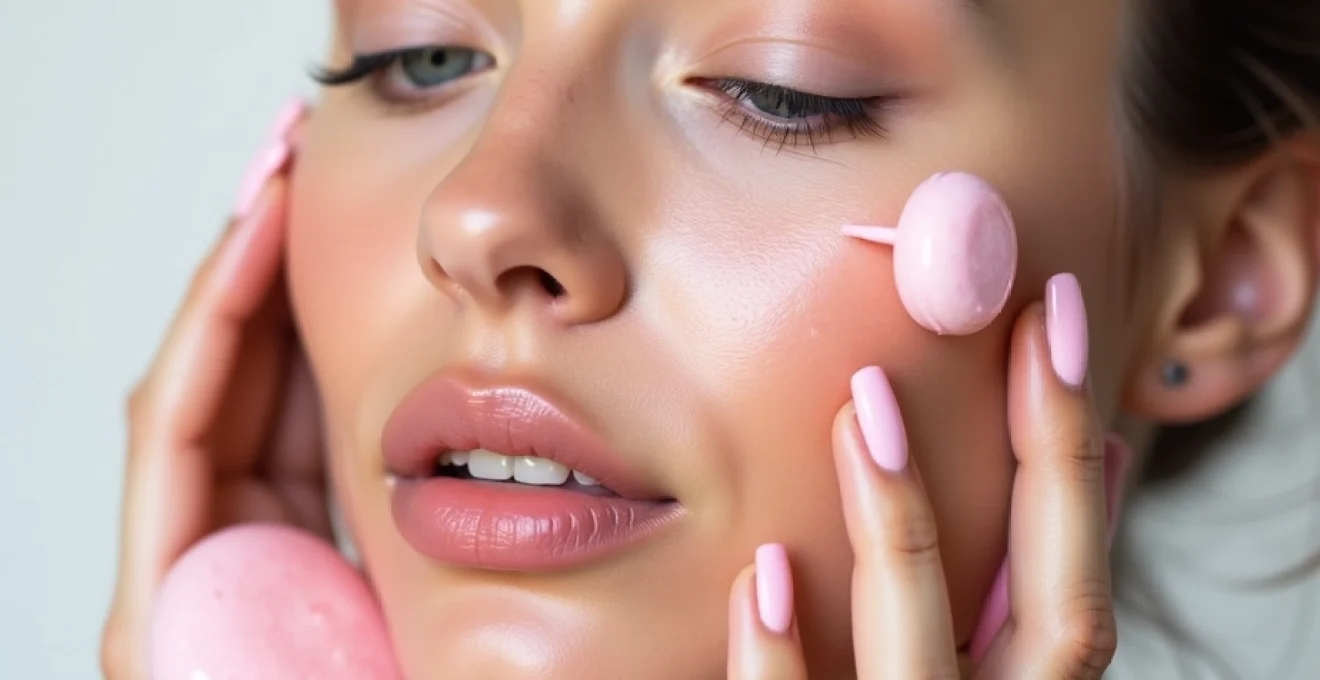
The landscape of facial rejuvenation has transformed dramatically over the past decade, with traditional techniques merging seamlessly with cutting-edge technology. Ancient Chinese practices like gua sha now coexist alongside sophisticated cryotherapy rollers and ultrasonic devices, each offering unique pathways to enhanced skin health. Professional aestheticians and dermatologists increasingly recognise the synergistic potential of these diverse modalities, moving beyond single-tool approaches toward comprehensive treatment protocols.
Modern facial tools represent a fascinating convergence of historical wisdom and scientific innovation. While gua sha stones have been sculpting faces for centuries, contemporary materials like medical-grade titanium and piezoelectric transducers are revolutionising how practitioners approach skin therapy. This evolution reflects a deeper understanding of facial anatomy, lymphatic systems, and the mechanisms underlying skin rejuvenation.
Gua sha facial tools: traditional chinese medicine meets modern skincare
The resurgence of gua sha in contemporary skincare reflects a growing appreciation for traditional Chinese medicine principles. Unlike superficial beauty trends, gua sha operates on the fundamental premise of qi circulation, targeting energy pathways that correspond to specific facial zones. This ancient technique involves controlled scraping movements that stimulate blood flow, release fascial tension, and promote lymphatic drainage through precise pressure application.
Professional-grade gua sha tools have evolved significantly from their traditional horn and jade predecessors. Modern practitioners favour tools designed with ergonomic considerations, featuring multiple edges and curves that accommodate different facial contours. The technique requires understanding of facial muscle directions, lymphatic flow patterns, and the delicate balance between therapeutic pressure and skin safety. Proper gua sha application involves maintaining a 15-30 degree angle against the skin, using upward and outward strokes that follow natural facial structure lines.
Rose quartz vs stainless steel gua sha scrapers: material impact on lymphatic drainage
Material selection profoundly influences gua sha effectiveness, with rose quartz and stainless steel representing distinctly different therapeutic approaches. Rose quartz, beloved for its aesthetic appeal and cooling properties, offers natural temperature regulation that enhances lymphatic stimulation. The crystalline structure maintains coolness longer than synthetic materials, providing sustained vasoconstriction that reduces facial puffiness. However, rose quartz’s porous nature presents hygiene challenges, as bacteria can penetrate microscopic surface irregularities despite thorough cleaning protocols.
Stainless steel gua sha tools deliver superior hygiene standards and therapeutic consistency. The non-porous surface prevents bacterial accumulation whilst providing optimal thermal conductivity for temperature-based treatments. Steel tools require less manual pressure due to their weight distribution, reducing practitioner fatigue during extended sessions. The material’s durability ensures consistent edge geometry over time, maintaining treatment efficacy across thousands of applications. Clinical observations suggest stainless steel tools produce more pronounced lymphatic drainage effects, particularly when pre-chilled for combined cryotherapy benefits.
Proper gua sha technique for facial contouring and muscle tension release
Mastering gua sha technique requires understanding the intricate relationship between facial muscles, fascia, and lymphatic pathways. The process begins with thorough facial oil application, creating the necessary slip for smooth tool movement whilst preventing skin dragging. Proper pressure application ranges from feather-light touches for sensitive areas to firm, controlled pressure for muscle tension release. The key lies in reading tissue response, adjusting pressure based on skin thickness, muscle density, and individual tolerance levels.
Effective facial contouring follows specific anatomical guidelines, beginning with neck preparation to open lymphatic drainage pathways. The technique progresses systematically from the décolletage upward, addressing the platysma muscle before moving to facial zones. Jawline work requires particular attention to masseter muscle direction, using horizontal strokes along the mandible followed by vertical lifting motions. Cheekbone contouring employs the tool’s curved edge to follow zygomatic arch contours, whilst forehead treatment utilises broader surfaces for comprehensive muscle release.
Professional gua sha technique transforms facial architecture through precise pressure application, following lymphatic flow patterns rather than random scraping motions.
Scientific evidence behind gua sha’s effect on microcirculation and collagen production
Research into gua sha’s physiological mechanisms reveals significant impacts on microcirculation and cellular regeneration processes. Studies demonstrate up to 400% increases in local blood flow following proper gua sha application, with effects persisting for several hours post-treatment. This enhanced circulation delivers increased oxygen and nutrients to facial tissues whilst facilitating metabolic waste removal. The mechanical stimulation triggers endothelial nitric oxide production, promoting vessel dilation and improved tissue perfusion.
Collagen synthesis responds favourably to controlled mechanical stress applied through gua sha techniques. The tool’s pressure creates micro-deformations in dermal tissue that stimulate fibroblast activity, triggering increased collagen and elastin production. Clinical observations show sustained improvements in skin elasticity and firmness following regular gua sha treatments. The technique appears to activate mechanotransduction pathways, converting physical stimulation into cellular regeneration signals that enhance skin structure and appearance over time.
Integration of gua sha with facial oils: jojoba, rosehip, and marula oil compatibility
Selecting appropriate carrier oils significantly influences gua sha treatment outcomes, with molecular structure and absorption rates determining therapeutic effectiveness. Jojoba oil, technically a liquid wax ester, provides exceptional glide properties whilst closely mimicking skin’s natural sebum composition. Its stability prevents rancidity during extended treatment sessions, whilst its non-comedogenic properties suit all skin types. The oil’s penetration rate allows for sustained lubrication without excessive residue, facilitating smooth tool movement throughout lengthy protocols.
Rosehip oil brings additional therapeutic benefits through its high concentration of essential fatty acids and vitamin A precursors. The oil’s slightly heavier consistency provides enhanced tool control, particularly beneficial for precise contouring work. Its regenerative properties complement gua sha’s collagen-stimulating effects, creating synergistic anti-ageing benefits. Marula oil offers exceptional oxidative stability and rapid absorption, making it ideal for sensitive skin types requiring gentle treatment approaches. Each oil’s unique molecular profile interacts differently with skin physiology, allowing practitioners to customise treatments for specific client needs.
Cryotherapy facial rollers: Temperature-Based skin rejuvenation technology
Cryotherapy represents one of the most scientifically validated approaches to facial rejuvenation, leveraging controlled temperature exposure to trigger beneficial physiological responses. Modern cryo-rollers harness principles of thermal shock therapy, applying precise temperature ranges to achieve therapeutic vasoconstriction without tissue damage. The technology operates on fundamental vascular physiology, where cold exposure causes immediate vessel constriction followed by compensatory dilation, ultimately enhancing circulation and promoting cellular regeneration.
Professional cryotherapy rollers incorporate sophisticated temperature control mechanisms that maintain consistent cooling throughout treatment sessions. Unlike simple frozen tools that rapidly warm to ambient temperature, engineered cryo-rollers utilise thermal mass principles and conductive materials to sustain therapeutic temperatures. The treatment protocol typically involves short exposure periods alternating with brief warming phases, creating a controlled thermal cycling effect that maximises therapeutic benefit whilst preventing cold injury.
Stainless steel vs titanium Cryo-Roller construction: thermal conductivity analysis
Material engineering profoundly affects cryo-roller performance, with thermal conductivity values determining treatment efficacy and user experience. Stainless steel, with thermal conductivity around 16 W/mK, offers moderate heat transfer rates suitable for controlled cooling applications. The material’s mass provides sustained cold retention whilst its durability ensures consistent performance across numerous treatment cycles. Stainless steel’s biocompatibility and corrosion resistance make it ideal for professional environments requiring frequent sanitation protocols.
Titanium presents a fascinating alternative with significantly lower thermal conductivity at approximately 7 W/mK, initially appearing counterintuitive for cryotherapy applications. However, this characteristic enables more controlled temperature transfer, reducing the risk of thermal shock whilst maintaining therapeutic effectiveness. Titanium’s exceptional strength-to-weight ratio allows for innovative roller designs with enhanced ergonomics. The material’s hypoallergenic properties make it suitable for sensitive skin types that might react adversely to other metals. Professional practitioners often prefer titanium rollers for their precision control and reduced client discomfort during treatment.
Vasoconstriction mechanisms: how cold therapy reduces facial puffiness
Cold therapy’s effectiveness in reducing facial puffiness operates through well-documented vascular mechanisms that create immediate and sustained improvements in tissue appearance. Upon cold exposure, smooth muscle cells within vessel walls contract rapidly, reducing capillary diameter and limiting blood flow to treated areas. This vasoconstriction directly addresses the underlying causes of facial puffiness by reducing fluid accumulation in interstitial spaces. The effect is particularly pronounced in areas with high capillary density, such as the periorbital region where morning puffiness commonly occurs.
The lymphatic system responds similarly to cold stimulation, with lymphatic vessel contraction promoting fluid drainage from swollen tissues. Cold therapy enhances lymphatic pump function through direct muscle stimulation and indirect effects on surrounding smooth muscle structures. This dual vascular and lymphatic response creates comprehensive depuffing effects that extend beyond simple fluid displacement. Research indicates that controlled cold exposure also reduces inflammatory mediator release, addressing puffiness at its cellular origins rather than merely treating surface symptoms.
Optimal temperature ranges for Cryo-Rolling: -5°C to 15°C effectiveness studies
Clinical research has established specific temperature ranges that optimise cryotherapy benefits whilst minimising adverse effects. Studies demonstrate that temperatures between 10°C and 15°C provide excellent therapeutic benefits for routine maintenance treatments, offering gentle vasoconstriction without thermal shock. This temperature range proves ideal for daily use protocols, providing consistent puffiness reduction and circulation enhancement without skin stress. Regular treatments within this range show cumulative benefits over time, with sustained improvements in skin tone and texture.
More intensive treatments utilise temperatures approaching 0°C to 5°C, delivering pronounced therapeutic effects for acute concerns such as severe puffiness or inflammation. These lower temperatures trigger more dramatic vascular responses but require careful application protocols to prevent cold injury. Professional supervision becomes essential at these temperature ranges, with treatment duration limited to prevent tissue damage. Studies indicate that temperatures below -5°C provide no additional therapeutic benefits whilst significantly increasing injury risk, establishing clear safety parameters for professional practice.
Temperature precision in cryotherapy determines the balance between therapeutic efficacy and safety, with optimal ranges varying based on treatment goals and skin sensitivity levels.
Post-treatment protocols: combining Cryo-Therapy with hyaluronic acid serums
Post-cryotherapy protocols play a crucial role in maximising treatment benefits and supporting skin recovery. The immediate post-treatment period presents an optimal window for active ingredient application, as enhanced circulation facilitates deeper product penetration. Hyaluronic acid serums prove particularly effective following cryotherapy, as the increased vascular permeability allows for superior hydration delivery. The molecular weight of hyaluronic acid becomes important, with lower molecular weight variants penetrating more effectively into cold-treated skin.
Application timing requires careful consideration, with immediate post-treatment application capitalising on enhanced absorption whilst avoiding irritation. The skin’s heightened sensitivity following cold exposure necessitates gentle application techniques and carefully selected formulations. Professional protocols typically involve waiting 2-3 minutes post-cryotherapy before serum application, allowing initial vascular response to stabilise whilst maintaining enhanced absorption benefits. This timing maximises hydration benefits whilst preventing potential irritation from combining thermal stress with active ingredient exposure.
Sound-wave facial devices: ultrasonic and sonic frequency applications
Sound-wave technology represents the cutting edge of non-invasive facial treatment modalities, utilising precisely controlled acoustic energy to penetrate deep into facial tissues. Modern devices generate specific frequencies designed to target different tissue layers, from superficial epidermal concerns to deep muscular tension patterns. The technology operates on principles of mechanical energy transfer, where sound waves create controlled tissue vibrations that stimulate cellular activity, enhance circulation, and promote regenerative processes at the molecular level.
Professional-grade sonic devices incorporate sophisticated frequency modulation systems that allow practitioners to customise treatments for specific client needs. These devices typically feature multiple frequency settings, power adjustment capabilities, and specialised transducer heads designed for different facial zones. The treatment approach requires understanding of acoustic principles, tissue density variations, and appropriate energy dosing to achieve optimal results whilst maintaining safety parameters.
Low-frequency ultrasound (1-3 MHz) for deep tissue penetration
Low-frequency ultrasound technology operates within the 1-3 MHz range to achieve therapeutic penetration depths of several centimetres into facial tissues. This frequency range proves particularly effective for addressing deep muscular tension, fascial restrictions, and promoting circulation in underlying tissue layers. The acoustic energy creates controlled cavitation effects at the cellular level, enhancing metabolic processes and facilitating tissue repair mechanisms. Professional applications focus on restructuring deep tissue architecture rather than superficial cosmetic improvements.
Treatment protocols utilising low-frequency ultrasound require careful consideration of energy density and exposure duration to prevent thermal effects. The technology works through non-thermal mechanisms, utilising mechanical energy transfer to stimulate cellular activity without temperature elevation. Clinical studies demonstrate significant improvements in facial muscle tone, reduction in deep-seated tension patterns, and enhanced overall tissue quality following regular low-frequency treatments. The penetration depth makes this technology particularly valuable for addressing age-related changes in deep facial structures.
Sonic vibration technology: 6,000-8,000 hz for Surface-Level treatment
Sonic vibration technology operates at much higher frequencies, typically ranging from 6,000 to 8,000 Hz, targeting superficial skin layers and immediate sub-dermal tissues. This frequency range creates rapid, controlled vibrations that stimulate surface circulation, enhance product absorption, and provide gentle exfoliation effects. The treatment approach focuses on immediate visible improvements rather than deep structural changes, making it ideal for maintenance protocols and pre-event skin preparation.
The high-frequency vibrations create micro-massage effects that stimulate lymphatic drainage and enhance cellular turnover at the epidermal level. Surface-level sonic treatment proves particularly effective when combined with topical formulations, as the vibrations facilitate deeper product penetration whilst providing gentle mechanical stimulation. Professional devices often incorporate interchangeable heads designed for specific treatment zones, allowing for precise energy delivery to delicate areas such as the periorbital region or sensitive areas requiring gentle approaches.
Piezoelectric transducers in Professional-Grade facial devices
Piezoelectric transducers represent the technological heart of professional sonic devices, converting electrical energy into precise mechanical vibrations through crystalline material deformation. These transducers utilise quartz crystals or ceramic materials that change shape when electrical current is applied, generating consistent acoustic waves at predetermined frequencies. The technology ensures reliable energy delivery with minimal harmonic distortion, providing predictable therapeutic effects across treatment sessions.
Professional-grade transducers incorporate feedback mechanisms that monitor energy output and adjust power levels to maintain consistent treatment parameters. This sophisticated control system prevents energy fluctuations that could compromise treatment effectiveness or create safety concerns. The transducer design influences beam characteristics, with focused transducers delivering concentrated energy to specific areas whilst unfocused designs provide broader treatment coverage. Understanding transducer specifications helps practitioners select appropriate devices for specific treatment goals and client presentations.
Clinical studies on ultrasonic enhancement of skincare product absorption
Research into ultrasonic enhancement of product absorption reveals significant improvements in active ingredient penetration across various formulation types. Studies demonstrate up to 10-fold increases in absorption rates when ultrasonic treatment accompanies topical application, with effects varying based on frequency, power settings, and product molecular characteristics. The enhancement mechanism involves temporary modification of skin barrier properties, creating channels for improved ingredient delivery without permanent structural damage.
Clinical trials focusing on anti-ageing formulations show particularly impressive results, with ultrasonic treatment dramatically improving vitamin C stability and penetration. The technology appears to protect sensitive active ingredients from degradation whilst facilitating deeper tissue delivery. Hyaluronic acid formulations demonstrate enhanced retention when applied with ultrasonic treatment, suggesting that the technology not only improves initial penetration but also influences ingredient behaviour within skin tissues. These findings support the integration of sonic devices into comprehensive skincare protocols for enhanced therapeutic outcomes.
Comparative efficacy analysis: gua sha vs Cryo-Rollers vs Sound-Wave devices
Evaluating the relative effectiveness of different facial tool categories requires understanding their distinct mechanisms of action and target tissue layers. Gua sha excels in superficial to medium-depth tissue work, primarily affecting fascial layers and promoting lymphatic drainage through mechanical manipulation. The technique provides immediate visible results in facial contouring and tension release, with cumulative benefits developing over time through regular practice. However, gua sha effectiveness depends heavily on practitioner skill and technique consistency.
Cryo-rollers deliver predictable results through vascular mechanisms that provide immediate puffiness reduction and sustained circulation enhancement. The technology requires minimal training whilst producing consistent outcomes across different
users. Sound-wave devices offer the most technologically advanced approach, providing precise energy delivery that can be customised for different treatment goals and tissue depths. The technology requires significant investment but delivers measurable, reproducible results with minimal operator dependency.
When comparing treatment outcomes across these modalities, each demonstrates unique advantages for specific concerns. Gua sha produces the most dramatic immediate contouring effects, particularly for jawline definition and facial sculpting. Cryo-rollers excel in puffiness reduction and provide the most accessible entry point for clients seeking professional-quality results at home. Sound-wave devices offer the deepest tissue penetration and most significant long-term structural improvements, particularly for age-related concerns requiring comprehensive tissue remodelling.
Cost-effectiveness analysis reveals varying value propositions depending on treatment goals and frequency requirements. Gua sha tools provide excellent long-term value with minimal ongoing costs once technique mastery is achieved. Cryo-rollers offer moderate investment requirements with consistent, predictable results that justify their price point. Sound-wave devices require significant initial investment but provide professional-grade outcomes that can reduce the need for more invasive interventions.
Professional integration protocols: combining multiple facial tool modalities
The integration of multiple facial tool modalities creates synergistic treatment protocols that maximise therapeutic outcomes while addressing diverse skin concerns simultaneously. Professional practitioners increasingly adopt layered treatment approaches, combining the mechanical benefits of gua sha with the vascular effects of cryotherapy and the deep tissue stimulation of sound-wave technology. This comprehensive methodology requires careful sequencing to optimise tool interactions whilst preventing treatment interference or excessive skin stimulation.
Effective protocol development begins with thorough skin assessment to determine appropriate tool combinations and treatment intensities. The sequence typically follows a logical progression: preparation, activation, treatment, and integration phases. Initial preparation involves thorough cleansing and appropriate product application to facilitate subsequent tool use. The activation phase utilises gentle techniques to prepare tissues for more intensive work, often beginning with light sonic vibration or gentle cryotherapy exposure.
The primary treatment phase incorporates the most intensive modalities based on specific client needs and treatment goals. Gua sha work typically follows cryotherapy preparation, as the enhanced circulation facilitates deeper tissue work whilst the prior vasoconstriction prevents excessive inflammation. Sound-wave treatment often concludes the active treatment phase, utilising enhanced circulation to maximise acoustic energy penetration and effectiveness. This sequencing optimises each modality’s therapeutic potential whilst maintaining client comfort and safety throughout extended treatment sessions.
Professional integration protocols transform individual tool benefits into comprehensive treatment experiences that address multiple skin concerns through carefully orchestrated modality combinations.
Post-treatment integration focuses on maintaining and extending therapeutic benefits through appropriate product application and gentle finishing techniques. This phase often incorporates hydrating serums, barrier repair formulations, and protective products that support skin recovery whilst maximising treatment outcomes. The timing and selection of post-treatment products significantly influence overall results, with immediate application capitalising on enhanced absorption whilst preventing irritation from overexposure to active ingredients.
Safety considerations and contraindications for advanced facial tool usage
Advanced facial tool usage requires comprehensive understanding of safety protocols and contraindication awareness to prevent adverse outcomes and ensure optimal treatment results. Each modality presents unique safety considerations that practitioners must thoroughly understand before implementing professional protocols. Gua sha, despite its gentle reputation, can cause bruising, capillary damage, and skin irritation when performed incorrectly or on inappropriate candidates. Proper pressure application, tool sanitation, and client screening form the foundation of safe gua sha practice.
Cryotherapy applications demand particular attention to thermal injury prevention, with temperatures below optimal ranges potentially causing frostbite, nerve damage, or permanent skin discolouration. Client screening must identify individuals with cold sensitivity, circulation disorders, or conditions that impair thermal sensation. Treatment duration and temperature monitoring become critical safety factors, requiring practitioners to maintain vigilant oversight throughout cryotherapy sessions. Professional protocols establish clear temperature limits, exposure durations, and monitoring requirements to prevent thermal injuries.
Sound-wave devices present sophisticated safety challenges related to energy dosing, frequency selection, and contraindication management. High-energy acoustic treatments can cause tissue heating, cellular disruption, and inflammatory responses when applied inappropriately. Practitioners must understand acoustic principles, tissue interaction mechanisms, and appropriate energy levels for different treatment areas. Client contraindications include pregnancy, electronic implants, active infections, and certain medical conditions that affect tissue healing or cellular function.
Absolute contraindications across all modalities include active skin infections, open wounds, severe rosacea, and recent cosmetic procedures requiring healing periods. Relative contraindications require careful assessment and potential treatment modifications, including sensitive skin conditions, medication interactions, and specific health conditions that affect skin response. Professional practitioners must maintain detailed contraindication databases and conduct thorough pre-treatment consultations to identify potential risk factors.
Emergency protocols and adverse reaction management form essential components of professional safety frameworks. Practitioners must recognise early signs of adverse reactions, implement appropriate intervention measures, and maintain clear referral pathways for medical consultation when necessary. Documentation requirements include detailed treatment records, client responses, and any adverse events to support continuous safety improvement and professional development. Regular safety training updates ensure practitioners remain current with evolving safety standards and best practices in advanced facial tool applications.